


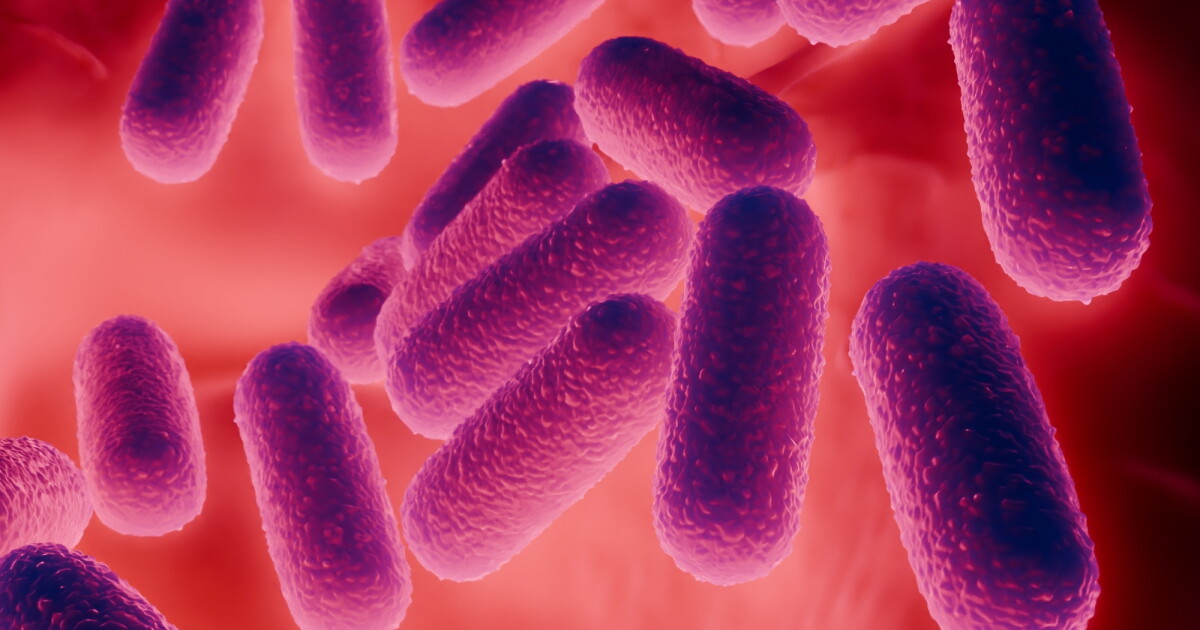
A bug commonly cast as one of the gut’s good guys may have a darker side when dietary fiber is in short supply. Researchers have found that the gut microbiome could help identify people at increased risk of developing type 2 diabetes years before the diagnosis.
Type 2 diabetes develops when the body becomes resistant to insulin or can no longer produce enough of it to keep blood glucose under control. Genetics, excess body weight, physical inactivity, and diet are among its established risk factors, but growing evidence suggests the trillions of microorganisms inhabiting the gut may also influence metabolic health.
“Our study was able to show changes in the gut microbiota several years before the disease developed,” said lead author Gaël Toubon, a postdoctoral researcher at Chalmers University of Technology in Sweden. “This could indicate that the composition of the microbiome plays a role in the development of diabetes, and not the other way round.”
Previous studies have found differences between the gut microbiomes of people with and without type 2 diabetes. However, many analyzed participants only after the disease had been diagnosed, making it difficult to tell whether microbial changes helped drive the condition or resulted from the disease, its treatment, or associated lifestyle changes.
To get a clearer view of what came first, the researchers analyzed stool samples from 4,685 adults enrolled in the Swedish Infrastructure for Medical Population-based Life-course and Environmental Research, or SIMPLER, cohort. The average age of the adults was 74, and none had type 2 diabetes or were taking diabetes medication when the samples were collected.
The participants were followed for a median of 5.3 years. During that period, 383 developed type 2 diabetes. Using whole-genome sequencing, the researchers examined not only which microbial species were present in each sample but also their potential metabolic functions. The analysis identified nine bacterial species that were consistently associated with future diabetes risk.
Six – Desulfovibrio piger, Alistipes communis, Alistipes finegoldii, Akkermansia muciniphila, Ruminococcus gnavus and an unnamed member of the Lachnospiraceae family – were associated with a higher risk of developing the disease. Three others, including Coprococcus catus, were associated with a lower risk.
The most surprising result involved A. muciniphila. The mucus-dwelling bacterium is generally considered beneficial and has been linked to improved gut-barrier function and cardiometabolic health. Here, however, greater abundance was modestly associated with an increased risk of type 2 diabetes.
Dietary fiber may help explain the apparent contradiction.
“Under favorable conditions, this bacterium feeds on the fiber we get from our diet,” Toubon said. “But when our fiber intake is too low, it instead starts to break down the gut’s protective mucus layer. This can lead to other bacteria coming into contact with the intestinal lining, causing inflammation and other metabolic disruptions linked to insulin resistance and type 2 diabetes.”
The association between A. muciniphila and diabetes was strongest among participants in the lowest quarter for fiber consumption, who reported eating no more than 20.7 grams (0.73 ounces) per day. Among people who later developed diabetes, higher levels of the bacterium were also linked to more inflammation in the low-fiber group but less inflammation in those who consumed more fiber.
That finding suggests A. muciniphila may be less an unqualified friend or foe than an opportunistic dinner guest: feed it fiber, and it may behave itself; leave it hungry and the gut’s mucus lining could end up on the menu.
However, the formal statistical tests did not confirm a significant interaction between fiber intake and the bacterium’s effect on diabetes risk. The researchers therefore describe the fiber connection as suggestive rather than definitive.
Importantly, several microbial associations remained after the researchers adjusted for fasting blood glucose and a lengthy list of potential confounders, including waist circumference, smoking, exercise, education, diet, and statin use. Analyses that excluded people diagnosed during the first two years or follow-up produced broadly similar findings, reducing the likelihood that undetected diabetes at the beginning of the study entirely explained the results.
That does not establish that the bacteria caused diabetes. Stool samples were collected only once, and observational research cannot exclude the effects of other unmeasured factors. The cohort was also composed of older Swedish adults, so the findings may not translate directly to younger or more diverse populations.
Even so, the study raises the possibility that microbiome data could eventually supplement familiar risk indicators such as family history, obesity and elevated blood glucose.
“In the future, these bacteria could be used as biomarkers to identify people at risk of developing type 2 diabetes,” said Toubon. “Risk factors such as obesity, heredity and blood glucose levels could be supplemented with a stool sample to better predict the risk of developing the disease and enable preventive measures to be introduced.”
Before that can happen, the microbial signature will need to be reproduced in the other large populations and shown to improve predictions beyond existing clinical tools. Researchers will also need to determine whether deliberately modifying the microbiome can actually prevent or delay the disease.
“We cannot yet give that kind of dietary advice, but, at a general level, the study’s findings support current recommendations to eat foods rich in fiber from fruit, vegetables, legumes and wholegrains,” said corresponding author Rikard Landberg, a professor of food and nutrition science at Chalmers.
Unlike our genes, the gut microbiome can be altered by diet and other lifestyle factors. That makes it a tempting target, but also a complicated one, with the same bacterium potentially behaving very differently depending on what its host puts on the dinner plate.
The study was published in the journal Cell Reports Medicine.
Source: EurekAlert!
Fact-checked by Mike McRae

