


The UK joined Canada, Denmark, Germany, France, Italy, Japan and the Netherlands in reaffirming their “continued and unwavering support” for the ICC and said they “regret and strongly disagree with” the sanctions.
They also praised the court’s staff for their work bringing “those accused of the most serious international crimes to justice”, as well as supporting victims.
The ICC was founded in 2002 to prosecute war crimes, crimes against humanity and genocide, and counts 125 countries as member states. Several major countries remain outside the ICC, including the US, Russia, China, India and Israel.
The Trump administration argues the ICC is run by what it calls globalists who threaten American sovereignty.
It is furious over a past investigation into actions of US soldiers in Afghanistan the court has since closed and by its arrest warrants for Israeli officials including Prime Minister Benjamin Netanyahu. The new sanctions, however, do not say that those warrants must be withdrawn before the measures can be lifted.
But Rubio said Trump would not allow the ICC to prosecute Americans, adding: “Either the ICC will end its threats, or we will end the ICC.”
The US sanctions will stop US companies from providing goods or services to the ICC, such as banking or software.
Rubio said Washington had delayed imposing the sanctions in the hope that the ICC and its member countries would address US concerns. He said the measures had been structured to allow other countries to negotiate a possible solution.
He also called on US allies that were ICC signatories, including the UK, to “rein in” the institution.
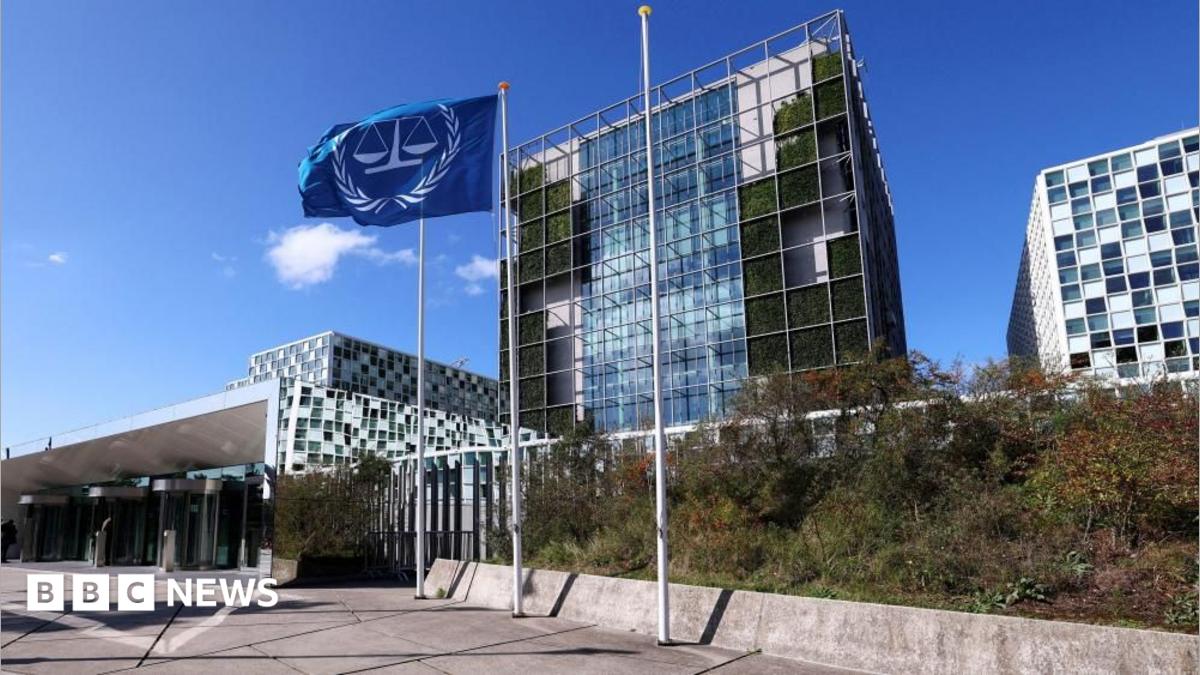
The Netherlands, which hosts the court in The Hague and is also a Nato ally of the US, faces particular pressure. Dutch Foreign Minister Tom Berendsen has said the sanctions would seriously affect the court’s ability to function.
Netanyahu welcomed the sanctions, saying the ICC was “not a court” but a political body that threatened law-abiding democracies and “the very idea of national sovereignty”.
The ICC said that the sanctions were aimed at disrupting its work and intimidating those who co-operate with it – but that it “will not be deterred”.
It called the measures “an assault on the rule of law” and said no one should be punished for serving the cause of justice, adding: “History will judge this moment.”
This showdown potentially marks the gravest crisis in the court’s 24-year history. Rather than targeting individual ICC judges and prosecutors, the US is now sanctioning the court itself.

