


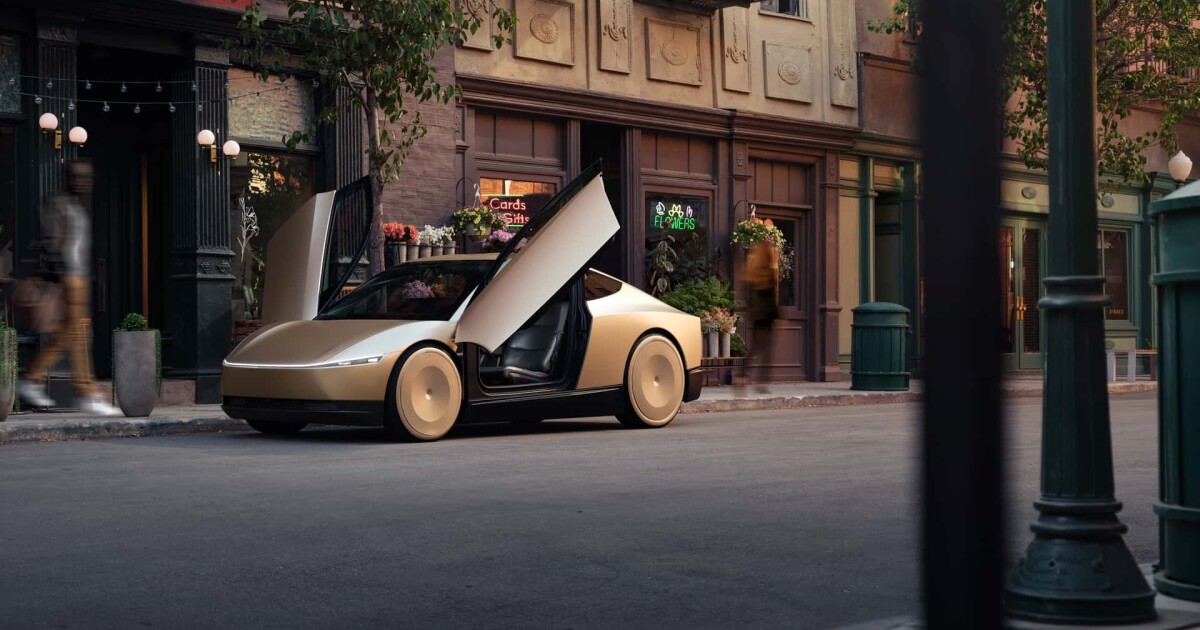
The first Tesla Cybercab has officially rolled off the floor at Tesla Gigafactory Texas, and yes, it comes without a steering wheel or pedals. It will operate entirely on Tesla’s Full Self-Driving (FSD) system, and it seems we’re not far off from mass production either.
Elon Musk took to X to declare, “Cybercab, which has no pedals or steering wheel, starts production in April.” That means Tesla has hit its promised timelines for once.
But at what cost? According to reports, the company is far from solving the complexities of full autonomy. Take Tesla’s Robotaxi pilot, for instance. It currently uses Model Y vehicles as stand-ins for the Cybercab, operating with a Level 2 system that requires human supervision – nowhere near the Level 5 autonomy required of the Cybercab proper.
And its pilot program in Austin hasn’t been smooth sailing thus far. It has reportedly recorded around 14 crashes in the past eight months. That’s nearly four times more than human drivers, according to Tesla’s own benchmarks.
This appears to follow a pattern in which Tesla makes hardware decisions ahead of fully matured autonomy technology. In 2022, for example, Tesla eliminated all ultrasonic sensors from its vehicles, even though its camera-based replacements weren’t fully ready. Earlier, in 2021, the company removed radar from its Model 3 and Model Y vehicles despite warnings from its own engineers, leading to reports of more collisions, near-misses, and phantom-braking accidents.
Tesla
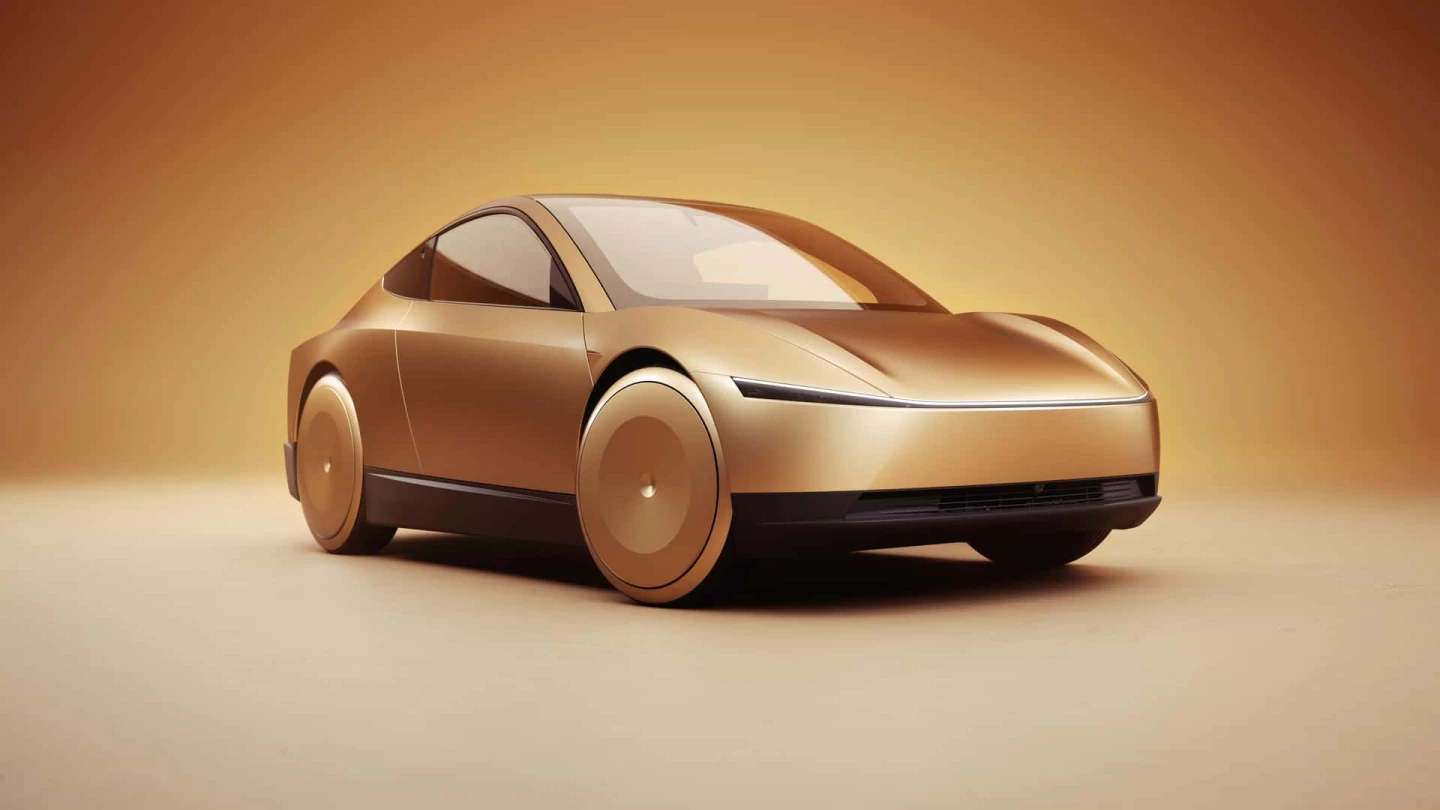
As for the Cybercab, in itself, it represents a significant shift from conventional taxis. It’s expected to be a two-person commercial vehicle with no steering wheel or pedals. It will reportedly be powered by a 35-kWh battery with inductive charging and offer a range of 200 miles (322 km).
Unlike many competitors, it doesn’t rely on LiDAR technology. Instead, it uses a camera-based visual system paired with Tesla’s FSD software. Once it arrives on public roads, it will compete with Waymo’s robotaxis. Tesla appears to be targeting ride-hailing platforms such as Uber and Lyft, though private ownership is also expected to be an option.
The vehicle is expected to cost under US$30,000 and operate exclusively as an autonomous taxi. That means it would effectively be unusable in the event of a software malfunction. With no steering wheel in place, there would be no way to manually override the vehicle.
Tesla
Musk has previously linked the Cybercab to a new production method Tesla calls “Unboxed.” This approach departs from the traditional linear automotive assembly line by building separate modules in different areas of the factory before bringing them together for final assembly.
In theory, this method should accelerate manufacturing, reduce costs, and require less factory floor space. Musk has compared it to consumer electronics production rather than traditional automotive manufacturing, citing a projected cycle rate of one unit every 10 seconds.
It remains unclear, however, whether this system will fully materialize as intended. Earlier this year, Musk cautioned that Cybercab manufacturing under the new system would likely progress “agonizingly slowly” at first, as Tesla adapts to the revised production process.

Tesla
Ideally, Tesla would already have mastered unsupervised autonomous driving. A proven FSD system operating without human oversight, backed by extensive real-world validation and long-term reliability data, would inspire greater confidence in the Cybercab project. But that milestone has not yet been reached.
There’s also a regulatory hurdle to overcome before rollout. US Federal Motor Vehicle Safety Standards currently require vehicles to include safety equipment such as steering wheels. Tesla is reportedly seeking exemptions from those regulations.
Adding to the uncertainty is an apparent trademark battle with a French beverage company over the Cybercab name. So Tesla’s robotaxi may not even carry that branding when it finally reaches the streets.
There’s still considerable ground to cover before full production begins in April. How many of these challenges are resolved by then will determine whether the Cybercab marks a breakthrough moment or is another ambitious promise running ahead of its technology.

