


Our taste for bread and pasta wouldn’t be the same if not for our ability to break down starch, a talent Peru’s Andean populations have taken to the extreme.
A genome-wide study conducted by researchers from the University of California, Los Angeles (UCLA), has revealed that Indigenous Andeans have, on average, up to four times the number of genes for a starch-busting digestive enzyme in their spit than any other population.
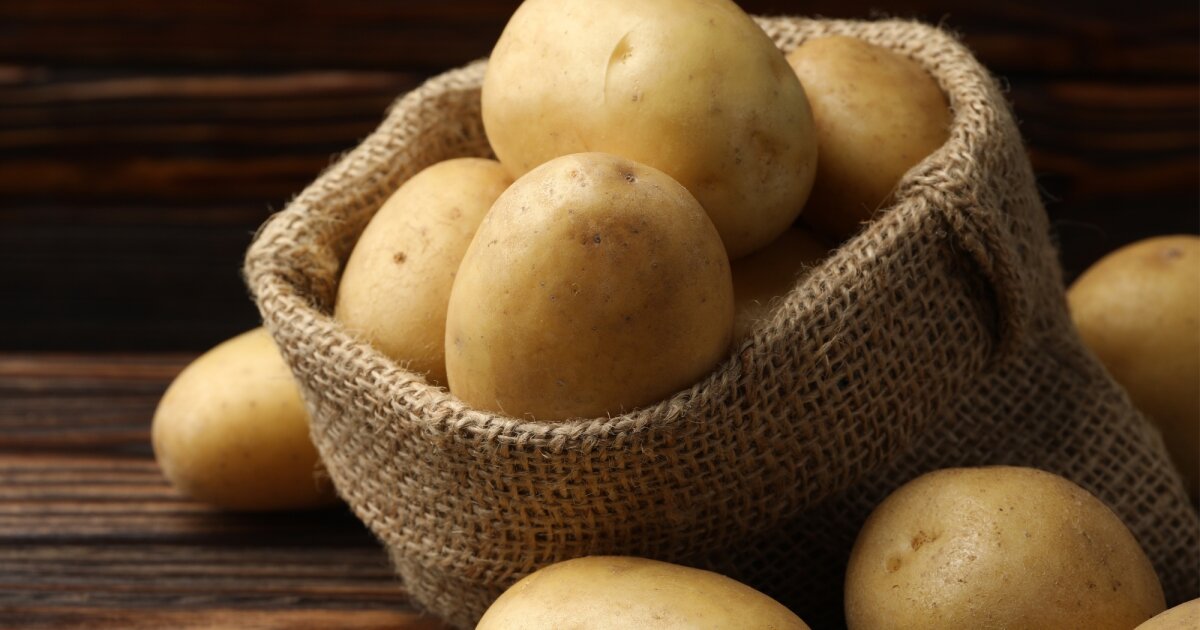
Closer inspection of the gene’s sequences suggests this extraordinary count is the result of a selection event some 10,000 years ago, right around the time potatoes were coming into culinary fashion.
Senior author and biologist Omer Gokcumen doesn’t think this timing is a mere coincidence.
“Biologists have long suspected that different groups of humans have evolved genetic adaptations in response to their diets, but there are very few cases where the evidence is this strong,” says Gokcumen.
Starch is a complex sugar used by plants for energy storage. Like many animals, humans rely on a suite of enzymes to break the material down into a form that can be quickly metabolized.
One of these enzymes, called salivary amylase, is encoded by the gene AMY1. Most of us have at least two copies of this gene, thanks to its duplication some 800,000 years ago, boosting our ability to start breaking down starch the moment we pop a morsel into our mouths.
Some populations have more than a few copies of AMY1, though whether these multiples are a direct consequence of dietary changes has been a difficult question to answer.
To uncover solid evidence, UCLA researchers conducted a genome-wide analysis on more than 3,700 individuals across 83 populations and compared the typical number of AMY1 genes in each. Indigenous Andeans were found to have 10 copies of the gene on average, compared to an average of seven copies in other populations around the world.
One explanation for this unusual mix could be a sudden decline in population size, incidentally excluding some genetic profiles.
To rule out the brutal impact of disease, violence and population collapse resulting from European contact in recent centuries, the team used different techniques to compare sequences of the amylase genes. They identified a clear signature of selection favoring individuals who happened to have numerous copies of AMY1, at a time when potatoes were being added to the Andean menu.
“It’s not as if Indigenous Andeans gained additional AMY1 copies once they started eating potatoes,” says Gokcumen. “Instead, those with lower copy numbers were eliminated from the population over time, perhaps because they had fewer offspring, and the ones with the higher copy numbers remained.”
Having more copies of the salivary amylase gene delivers a slightly higher concentration of starch-digesting enzymes, which, by the researchers’ calculations, gave the ancient Peruvians a 1.24% greater chance of surviving long enough to have more children.
This might not seem like much, but over thousands of years, it has made Indigenous Andeans world leaders in starch digestion.
The food we eat shapes our bodies and our genome in countless ways, allowing us to comfortably drink milk well into adulthood, store fat, or indulge in a few beers. There’s no doubt that our modern diet will leave its signature in our genes for generations to come, just as the potato once did.
This research was published in Nature Communications.
Source: University of California, Los Angeles
Fact-checked by Darren Quick

