


Japanese cuisine gourmands keen on the snappy, nose-tingling, eye-watering bite of wasabi that accompanies sushi might not know that green daub on their plate may actually be horseradish in disguise.
Due to declining Japanese wasabi harvests and the increasing age of crop farmers, horseradish – a European root related to the cabbage family with a similar taste profile as wasabi – is more likely to be plated next to a sashimi or sushi offering. Indeed, some of the wasabi products I checked out at a Japanese grocer did note whether it contained “real wasabi” or was “horseradish with spirulina.”
According to a 2020 statistical survey from the Ministry of Agriculture, Forestry and Fisheries in Japan, wasabi production has decreased for four years consecutively, from 2,017 tons in 2020 to 1,384 tons in 2023. In Nagano Prefecture, which is one of the primary wasabi growing regions, production in 2023 dropped to less than half of that in 2020 due to the aging population of crop farmers.
Nextage
Increasing interest has added to global market demand, which is expected to grow from $US 47 billion in 2024 to $99 billion by 2033, according to a Japan Business Research Insights report.
That said, growing wasabi plants in their acclimatized conditions requires flowing spring water in a cool climate, which is becoming increasingly challenging due a limited growing season and harvesting time as well as the difficulties of establishing new crops on other farmland. The COVID-19 pandemic was another factor in disrupting the supply and distribution of wasabi products, due to lockdowns and export restrictions.
That’s where Nextage comes in.
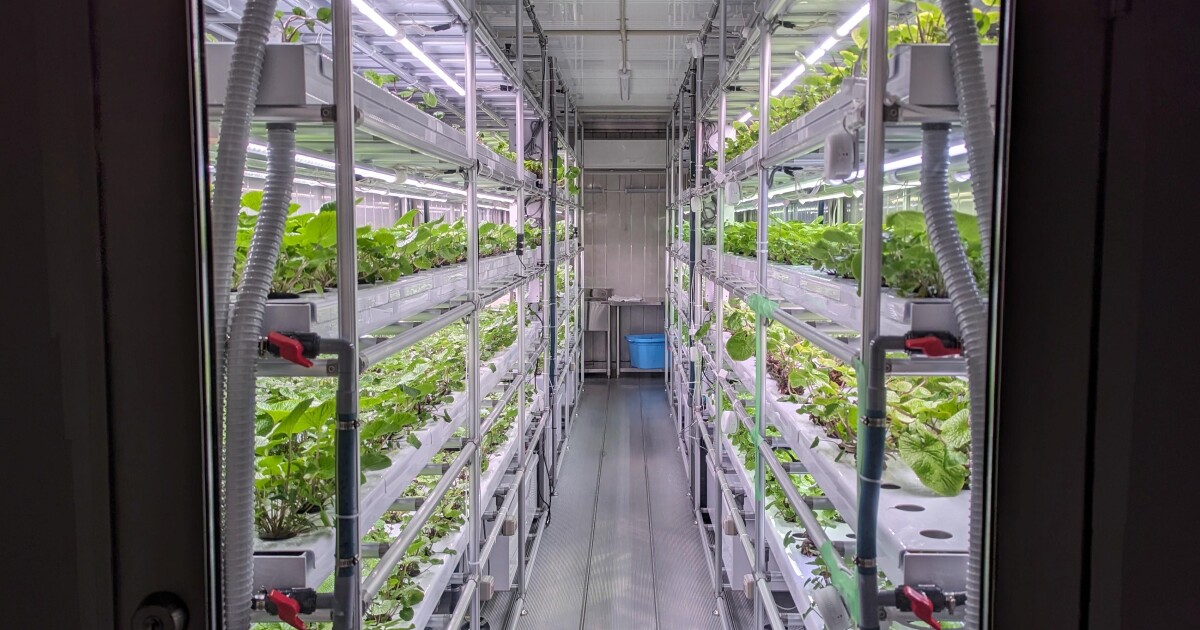
The Japanese agri-tech company, which was formed in 2018 to tackle decreasing wasabi harvests, has developed a mobile growing module that automates cultivation. The device reportedly allows anyone to grow their own crops without the limitations of geography or lack of experience.

Nextage
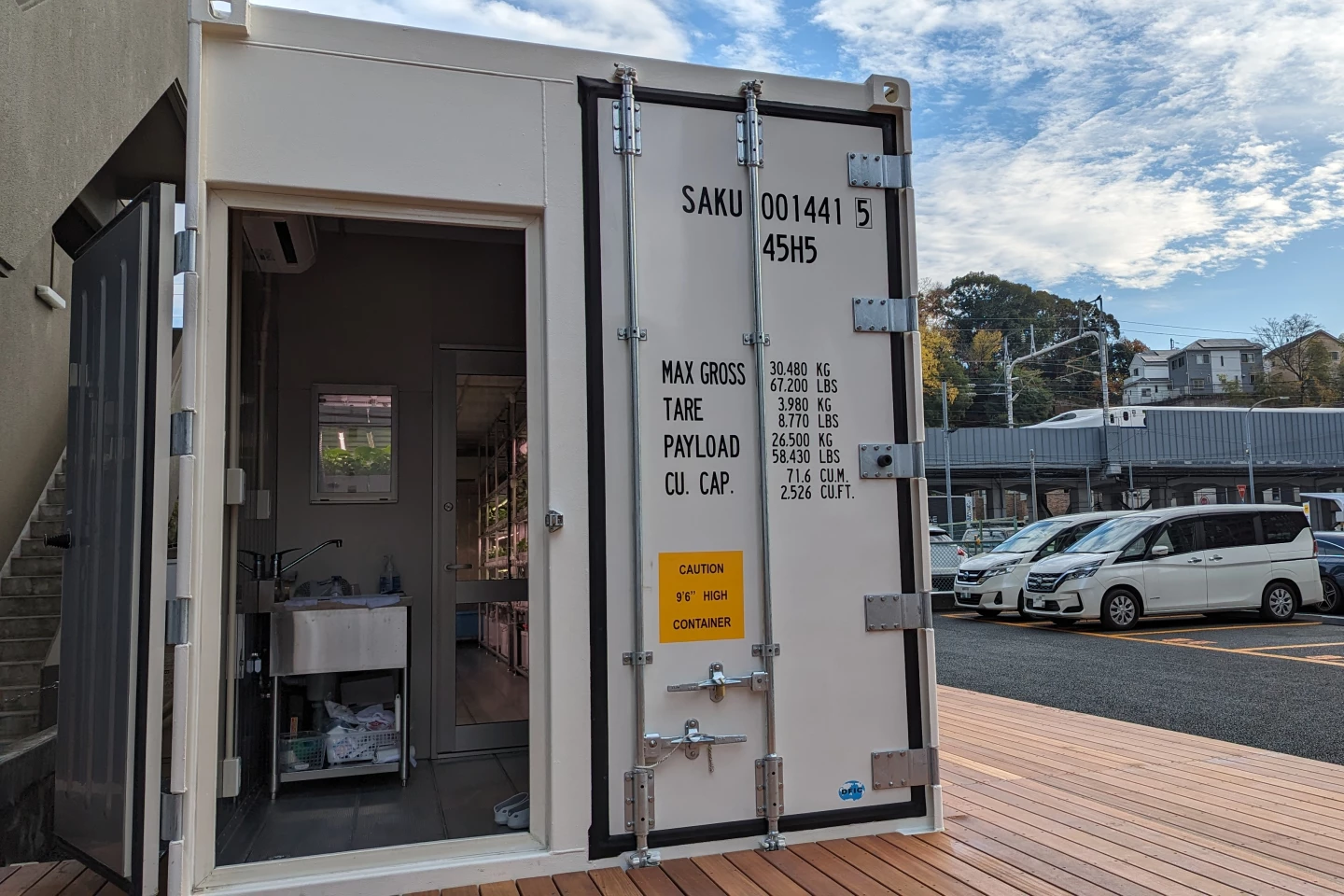
Macnica, a Japanese global technology firm, was the first to purchase a growing module in December 2023, and also helped guide further improvements. In a partnership with Nextage, it began selling the modules in January of 2024.
The 40-foot (12.2-m)-long “Wasabi Cultivation Module” features insulation, moisture and lighting controls suitable for growing wasabi crops indoors, and is fitted with cameras and sensors along with AI technology.
Approximately 1,800 Matsuma wasabi plants (considered to be a high-quality variety) can be raised in one module. Matsuma wasabi usually requires 20 to 24 months to produce a crop, but that time can apparently be reduced by half with the controlled LED lighting, air quality, water temperature and CO2 balance set in place.

Nextage
Having achieved a stable supply for the Japanese market along with a boost in investment capital this September, Nextage is now poised to tackle the EU market emphasizing the UK, France, Germany, Italy and Spain.
Recently, Dublin, Ireland was chosen to be the entry point into the European market due to the combination of many Silicon Valley European IT headquarters already located there, as well as enthusiastic government support of tech startups. Additionally, the climate conditions are similar to those in Japan with comparable water resources, cool summers and stable temperatures, making it possible to also reproduce outdoor field cultivation.
Macnica
“In recent years, the popularity of Japanese food, especially sushi and Japanese cuisine, has been increasing worldwide, and the stable supply of high-quality wasabi is a major challenge,” says Takuya Nakamura, Representative Director of Nextage. “We believe that by first deploying the automated wasabi cultivation technology that we have established in Europe, we will be able to spread Japanese food culture around the world and provide new value to the local food and beverage industry.”

