


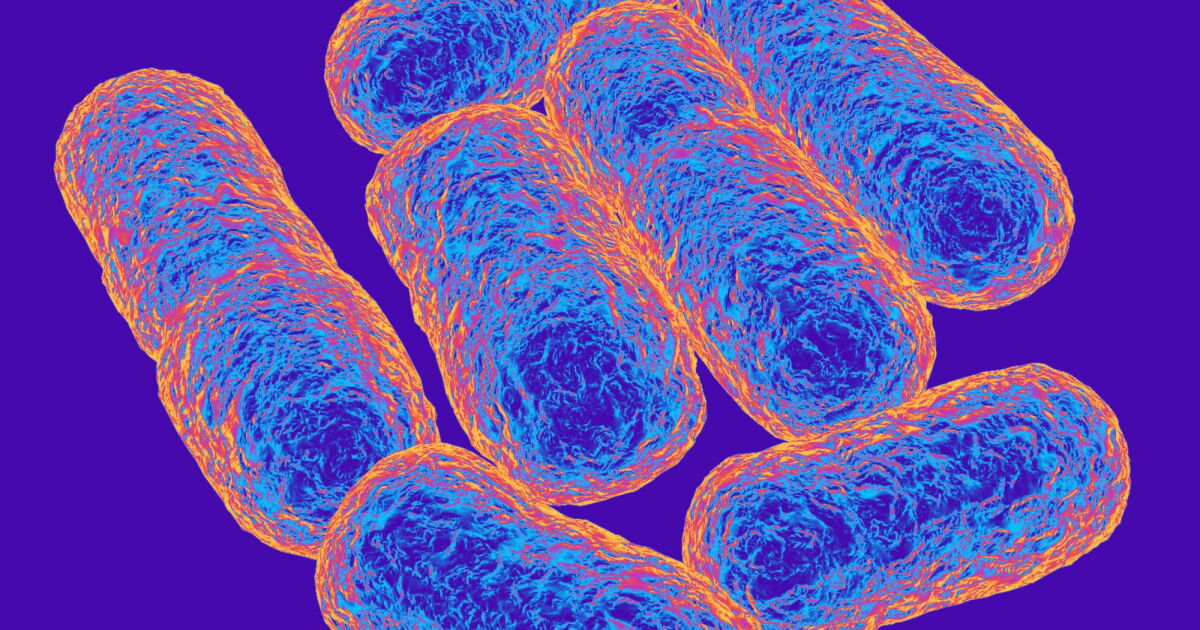
Bacteria engineered to sense and reduce glucose levels could be the future of type 2 diabetes treatments, following pre-clinical trials on animal models.
By inserting a glucose-responsive regulator gene into a strain of Escherichia coli, researchers from East China Normal University in Shanghai created a living treatment that expresses glucagon-like peptide 1 (GLP-1) – the hormone mimicked by popular diabetes and weight-loss drugs such as Ozempic and Wegovy.
The result is a drug delivery system that activates only when needed, avoiding the risk of long-term administration of needlessly high doses.
The oral-deliverable probiotic, described as a “glucose-sensing and functional response probiotic” (or GIFT), bridges the divide between organ transplantation and conventional pharmaceutical treatments.
“Our probiotics-based living drug enables therapeutic dosing in response to real-time blood glucose levels, providing a programmable, orally deliverable sense-and-respond platform for metabolic therapy without transplantation,” the researchers write in their recently published paper.
While GLP-1-analogous drugs have US Food and Drug Administration (FDA) approval for type 2 diabetes and weight-loss treatment, they aren’t free of side effects or risks. In theory, tailoring dosages to meet the body’s immediate needs could mitigate adverse consequences for their extended use.
Our body does this automatically. When blood sugar levels reach a certain threshold, a cascade of hormonal responses tells the pancreas to release insulin, slow digestion, and put a hold on the breakdown of glucose stores. Once glucose levels drop, the body responds by lowering insulin and encouraging the liver to release more sugar.
For those with type 2 diabetes, this process goes astray. Cells become resistant to insulin, for example, ensuring glucose levels remain dangerously high in the bloodstream while starving cells of the fuel they need to function.
Injecting GLP-1 agonists into the body can increase insulin levels to overcome any resistance, supplementing the actions of a hormone naturally produced by the small intestine. Yet a daily dose of the drug may not conveniently align with the body’s minute-by-minute need for insulin.
GIFT promises a novel way to detect changes in glucose in the body and respond immediately with a tiny boost of insulin-raising hormone. Nestled inside bacteria that are already suited to the gut, the system can be easily administered in a pill and avoids the risk of rejection that could come with other cell-based therapies.
While human trials are some way off, early trials in mice and diabetic macaques showed the process works as intended and found no indication of harmful effects.
Whether the probiotic will be effective enough to compete with existing therapies will require further testing. But it’s possible that genetically enhanced gut bacteria could revolutionize not just type 2 diabetes treatment, but obesity and potentially a variety of other health conditions.
“Beyond GLP-1, this modular platform could be readily adapted to deliver other hypoglycaemic agents, in theory offering flexibility for coupling glucose sensing with diverse therapeutic outputs,” write the researchers.
Source: China Daily
This study was published in Nature.

