


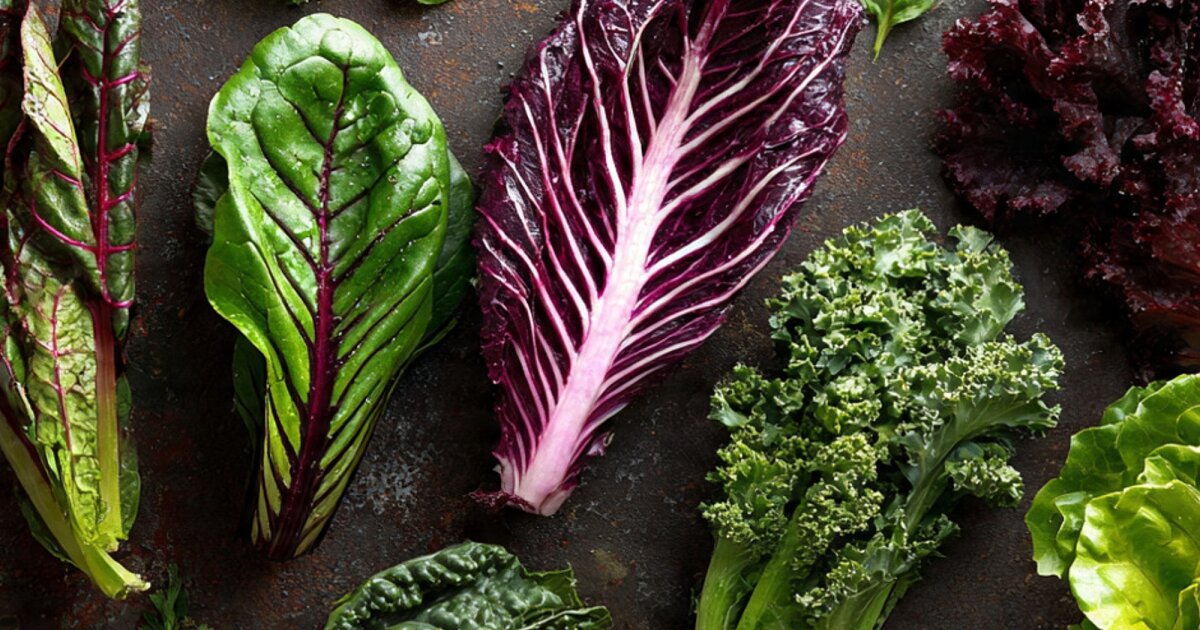
Eating more leafy green vegetables such as spinach, kale, and broccoli may help keep the lungs working better with age, according to a large new study linking higher vitamin K1 intake to a lower risk of chronic obstructive pulmonary disease.
Researchers from Edith Cowan University (ECU) in Western Australia examined data from more than 179,000 UK Biobank participants, looking at their intake of the two main forms of dietary vitamin K: vitamin K1 – which is found mainly in leafy green vegetables – and vitamin K2, found in foods such as meats, eggs and dairy.
“We saw a clearer association between higher vitamin K1 intake and lower COPD risk, as well as better lung function, but we did not see the same clear pattern for asthma or for vitamin K2,” lead author Chengfeng Li, who did the study as part of his PhD research, told Refractor. “Another interesting finding was that the associations appeared particularly strong among groups already at elevated risk of lung damage, such as smokers.”
Over an average follow-up period of 10.5 years, 3,135 participants developed chronic obstructive pulmonary disease, better known as COPD, and 4,269 developed asthma. COPD is an umbrella term for progressive lung diseases, including emphysema and chronic bronchitis, that make it increasingly difficult to breathe.
The researchers found that people with the highest vitamin K1 intake had a 16% lower rate of COPD compared with those with the lowest intake. They also had better lung function, according to spirometry tests measuring how much air a person can force out of their lungs and how quickly they can do it.
Vitamin K is best known for its role in blood clotting, but it also helps activate proteins that maintain tissue health. One of those proteins, matrix Gla protein (MGP), is found in lung tissue and helps protect elastin, the springy structural fiber that allows the lungs to expand and contract as we breathe. When elastin breaks down, as it does in COPD, breathing becomes harder.
“Vitamin K functions as an essential cofactor for the carboxylation of matrix Gla protein, a potent inhibitor of soft-tissue calcification that is abundantly expressed in lung tissue,” Li said. “So, it’s possible that vitamin K1 itself contributes to the observed associations, but it’s also likely that it works as part of a broader healthy dietary pattern, rather than acting in isolation.”
In other words, the greens look good, but they may not be acting alone.
This was an observational study, meaning it can show an association but can’t prove that eating kale directly prevents COPD. People who eat more leafy greens may also exercise more, smoke less, have higher incomes, eat less processed food, or have other health behaviors that lower disease risk.
The researchers adjusted for a long list of factors, including smoking, physical activity, body mass index (BMI), income, education, occupation, and overall diet, but residual confounding can never be completely ruled out.
Vitamin K1 showed the strongest link to lung health. Vitamin K2, by contrast, wasn’t linked to lower COPD risk, though moderate intake was associated with somewhat better lung function.
The researchers suggest this difference may have less to do with the vitamins themselves and more to do with their usual food sources. K1-rich foods are generally leafy vegetables, which also contain fiber, antioxidants, and other beneficial compounds. K2 is more commonly found in animal-based foods, which may be associated with different overall dietary patterns.
The findings were also more convincing for COPD than for asthma. While both are chronic lung diseases, they are biologically different. COPD is strongly linked to long-term exposure to harmful particles and gases, especially cigarette smoke, and involves progressive lung tissue damage and chronic inflammation. Asthma, on the other hand, is often driven by allergic and immune-related pathways.
“Some of the biological pathways influenced by vitamin K, including those involved in inflammation and tissue integrity, may therefore be particularly relevant to COPD development,” said Li. “Asthma, on the other hand, is a more complex condition that is often driven by allergic and immune-related mechanisms.”
The study also found that the association between higher K1 intake and better lung function appeared stronger in smokers and people working in high-risk occupations, such as jobs involving dust, fumes or other airborne hazards. That could suggest vitamin K1-rich diets are particularly helpful when the lungs are under greater stress, but the researchers are careful not to oversell the finding.
“People who smoke or who work in environments with greater exposure to dust, fumes or other airborne hazards experience higher levels of respiratory stress and inflammation,” Li explained. “In our study, these groups appeared to derive greater benefit from higher vitamin K1 intake. However, because this was an observational study, we cannot conclude that vitamin K1 directly provides greater protection in these groups.”
Most importantly, the researchers don’t want people to take the wrong message from the study. Eating leafy greens is not a treatment for COPD, and it will not cancel the effects of smoking or occupational exposures.
“I would not want readers to think that eating greens can prevent or treat COPD on its own,” said Li. “The most important message for lung health remains to avoid smoking, stop smoking if you currently smoke, and reduce harmful occupational or environmental exposure where possible.”
Still, the findings add to growing evidence that diet may play a meaningful supporting role in lung health. The amount of vitamin K1 associated with better outcomes was achievable through diet: roughly one extra serve of leafy greens, such as one-and-a-half to two cups of kale a day, could be enough to boost intake.
So, no, spinach is not a magic lung shield. But as part of a healthy diet, a regular serve of leafy greens may be doing more than keeping your mom quietly smug. It may also help your lungs stay flexible, functional, and a little more resilient over time.
The study was published in The American Journal of Clinical Nutrition.
Source: Edith Cowan University
Fact-checked by Mike McRae

