


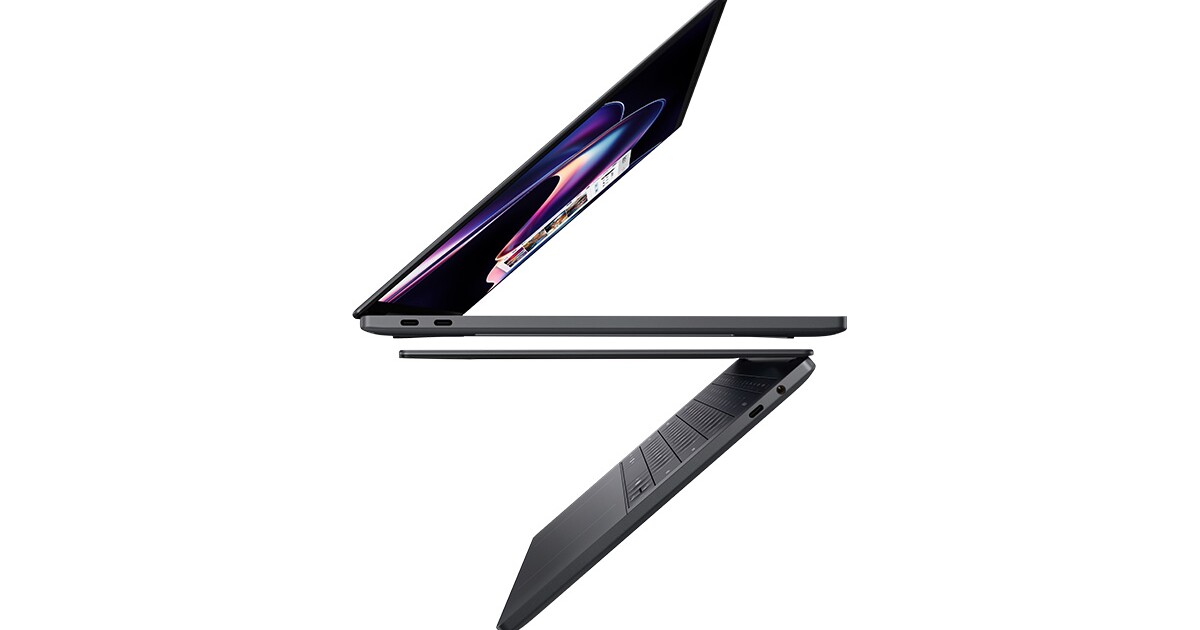
Windows laptops have traditionally lagged behind Apple’s MacBooks in the battery life department, making the latter much easier to recommend for most people who need something for work and school. We might start to see a fairer fight across the board, thanks to an interesting new display technology from LG.
The company is starting to mass produce an LCD panel for laptops that can slow its refresh rate down to 1 Hz when it’s displaying static content, and ratchet up to 120 Hz for more dynamic stuff, like playing videos or games.
Refresh rate refers to the number of times a screen is redrawn each second. You generally want a higher refresh rate for smoother motion in video and animations. With a slower refresh rate, scrolling through menus and articles might look janky, and videos can appear choppy.
Lowering the refresh rate when on-screen content stays the same allows the display to draw less power, so you can eke out more use from your laptop before needing to recharge.
How LG Display’s Oxide 1Hz Technology Saves Power🔋 on Your Laptop
The breakthrough here is the use of oxide-based thin-film transistors (TFT) that prevent current leakage in the display, along with proprietary circuit algorithms and panel design technologies. Together, these allow the panel to hold electrical charge for longer, reducing the need to use power to refresh the screen when displaying static images.
LG boasts its Oxide 1 Hz tech can help deliver “dramatically improved battery efficiency” to the tune of 48% longer battery life. That’s a bold claim, and one that needs a lot more empirical detail than the company laid out in its press release.
It also noted that Dell’s latest XPS 16 laptop, a premium offering with high-end specs and a sleek build, features an Oxide 1 Hz display in its US$1,749 configuration.
Dell
Notebookcheck noted in its testing that between this laptop’s screen at FHD+ resolution and an efficient new Intel Panther Lake processor under the hood, this model drew only 1.5 W when idling at its lowest brightness setting. That’s half of what competing laptops in this segment exhibit, and it allowed the XPS to last for nearly 27 hours from its modest 70-Wh pack.
We aren’t getting into exact figures or examining how specific laptop configurations perform under real-world workloads here. But this could well be the path for Windows laptops to beat Apple on battery life.
Over the last couple of years, manufacturers have been building machines with ARM-based Snapdragon X chipsets from Qualcomm to offer enhanced efficiency to Windows users, at the cost of compatibility with certain apps that haven’t been retooled for the SoC platform, and performance in some demanding applications. It finally seems like we can have Intel-based options that can deliver the goods when it comes to heavier workloads, and count on long battery life to boot.
If this variable refresh rate thing sounds familiar, it might be because you already own devices that have it. Many phones, including the current-gen Samsung Galaxy S26 line, and even the iPhone and Apple Watch, have what are called Low-Temperature Polycrystalline Oxide (LTPO) displays, which support dynamic refresh rates. While this tech has been around for years, it’s only being applied to laptop screens now.
It’s worth noting that LG is starting to incorporate this into LCD displays first, and that’s what you’ll get with that Dell XPS 16 base variant. An OLED screen with Oxide 1 Hz tech is set to begin production next year – and if you want greater contrast and richer colors, you might want to wait for that.
Source: LG Display via The Verge

