


Among the many problems posed by the rapid proliferation of data centers around the world is the strain on local water supplies. These facilities need plenty of water for cooling the vast arrays of servers and other computing equipment, which slow down when they run too hot.
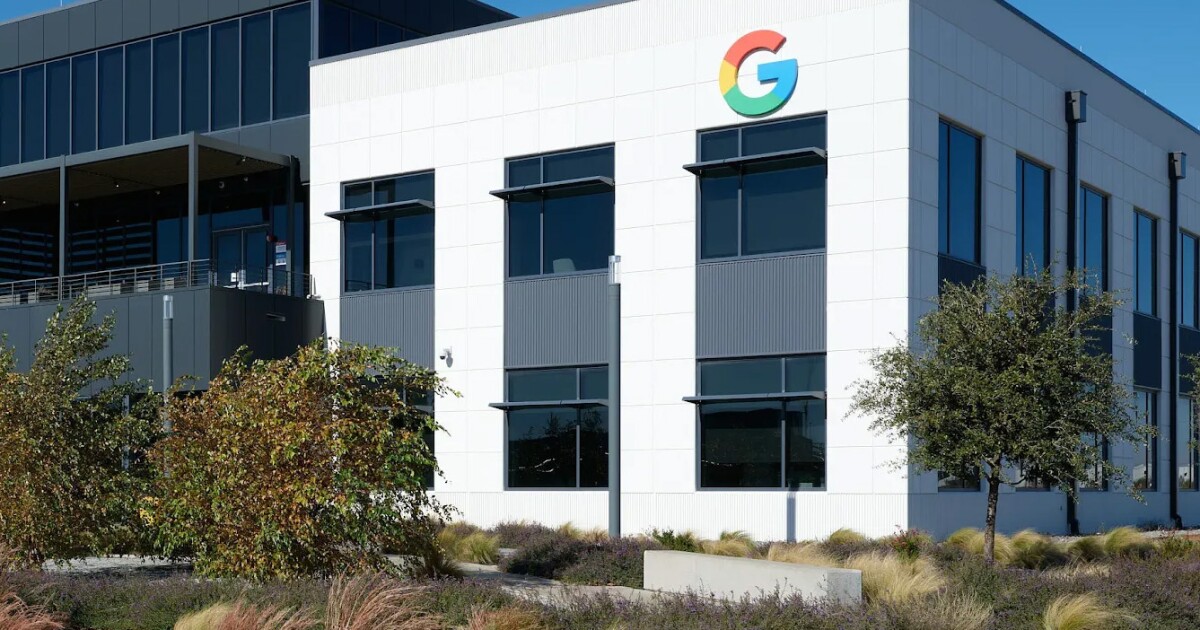
Google says it’s found a better way to go about it. The company’s upcoming data center in in Wilbarger County, Texas, “will use advanced air-cooling technology, limiting water consumption to only critical campus operations like kitchens.”
That’s a tall claim by any measure. The need for data storage and cloud compute resources seems to be growing endlessly as major tech corporations build out and promote AI-powered services, and the infrastructure needed to run it all hasn’t fundamentally changed.
Google hasn’t detailed exactly how its cooling systems will address these needs, particularly in warm climes like in Texas. It previously noted it adopts a “multidimensional methodology for choosing cooling systems for our data center campuses.”
Situating data centers in colder climates, such as in Nordic countries, can tackle this to a fair extent. However, building one in Texas comes with numerous advantages like close proximity to a larger number of users, access to renewable energy, and low land costs.
In fact, Google notes this center is meant specifically to help “meet growing demand from Texans” for the company’s Workspace, Search, and Maps products. Plus, it’s partnering with energy provider AES to supply power from all-new clean energy plants that will be built and brought online alongside the data center as a co-located project.

Interestingly, Bloomberg’s Brooke Sutherland noted that a recent report published by water technology company Xylem Inc. and Global Water Intelligence showed that data centers don’t actually use way more water than other industries’ facilities. They also aren’t causing local residents’ water bills to rise the same way their electricity costs are going up, by way of higher demand and higher prices in their area.
The actual problem at hand is that two-thirds of American data centers – the US already has over 4,000 of them currently in operation – are located in water-stressed areas. These facilities, as well as local water supply systems, aren’t typically designed to respond quickly to shortages, such as in the case of a drought. That sort of scenario, along with the added strain of a demanding data center in the region, could leave residents high and dry.
According to the Environmental and Energy Study Institute (a Washington, DC-based nonprofit), a medium-sized data center can consume about 110 million gallons of water annually just for cooling – which is about as much as 1,000 households’ annual usage.
It’s clear that tech companies don’t fully understand the challenges their facilities can create for local communities. At the recent AI Impact Summit in New Delhi, India, OpenAI CEO Sam Altman remarked that claims about ChatGPT using gallons of water per query were “completely untrue” and “totally insane.” Last year, he said in a blog post a single query required only about 0.000085 gallons (0.32 ml) of water.
It’s hard to know exactly how to regard that figure in the broader conversation about data centers’ strain on local resources. That report from Xylem also projected that the water needed for cooling in data centers would more than triple over the next 25 years.
To that end, there are already some effective ways to drastically reduce water use for cooling in data centers. In 2024, Microsoft began piloting zero-water evaporation systems, which recycle water through a closed loop so you never need additional fresh water to dissipate heat. It’s set to adopt this tech in future data centers starting next year.

Microsoft
Air-cooled chillers can also help to a large extent, but they use a lot of energy – so adopting these responsibly will mean ensuring you’ve got plenty of renewable energy resources at your disposal. That’s where Google’s collaboration with AES will likely come in handy – but it remains to be seen how effective it is at supplying sufficient clean energy to the Wilbarger County campus without straining the grid.
What might be genuinely useful is for tech firms to acknowledge that their facilities can indeed have outsized impacts on local communities, and take concrete steps to address them before they become part of the indomitable problems they cause.
Source: Google

