


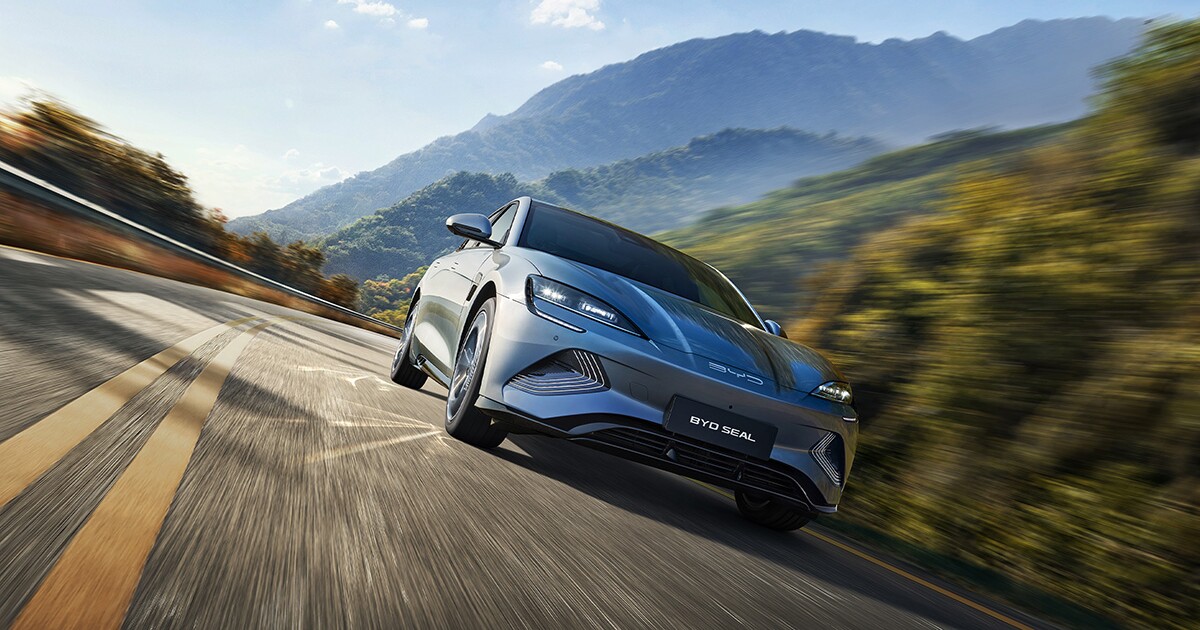
The year is 2011, Tesla CEO Elon Musk was asked in a Bloomberg interview whether Chinese automaker BYD Auto posed a real competitive threat to Tesla. Musk cheekily laughed and said, “Have you seen their car? I don’t think they have a great product… I don’t think the technology is very strong.”
Fast forward to today, and BYD and Tesla’s sales reports for 2025 are now out – revealing that BYD has officially surpassed Tesla to become the world’s best-selling battery electric vehicle (BEV) maker.
BYD sold a total of 2,254,714 all-electric cars during 2025. For its battery-electric lineup, that is a massive 27.9% year-over-year increase. By contrast, Tesla reported 1,636,129 units sold in 2025, representing a 9% decrease from 2024.
BYD
That means BYD didn’t just barely outsell Tesla; it outsold the American carmaker by more than 600,000 all-electric cars. So, what drove that outcome? Was it the tech, the build quality, the charging speeds, or something else?
Well, pricing was one of the biggest contributors to this result. In China, the BYD Qin L (119,800 yuan / US$16,500) is almost half the price of its direct competitor, the Tesla Model 3 (235,500 yuan / US$33,000). But it’s not just China – BYD has rapidly scaled across the globe.
As for Tesla, the American automaker recognized that gap – recently introducing low-cost Model 3 and Model Y variants in the USA, which start at $38,630 and $41,630, respectively. However, BYD’s only US-spec model, the Han, still manages to undercut both those Teslas – starting at $25,300.

BYD
Even in other regions, like Europe, the low-cost Tesla Model 3 was introduced at €37,970 (which converts to around US$44,000). That’s nearly 17% cheaper than the previous entry-level price. But the same theme continues here as well, with BYD’s most affordable car in the region – the Dolphin Surf, which starts at around €22,990 (~US$26,100) – massively undercutting Tesla once again.
Speaking of global sales, BYD’s international sales exceeded one million units for the first time in the company’s history. That’s a mammoth 150% increase over the previous year.
And it’s not just BEVs. BYD’s sales of plug-in hybrid vehicles (PHEV) further bolstered its sales volume. Through its DM-i portfolio, the electric vehicle (EV) manufacturer sold roughly 2,288,709 PHEVs in 2025; a category Tesla doesn’t even compete in.

Tesla
In terms of a split, that’s 50.4% of BYD’s sales coming from PHEVs, with 49.6% from BEVs. These numbers add up to almost 4.5 million vehicles sold by the Chinese brand in 2025.
The removal of federal EV incentives has had an impact on Tesla sales in the US over the past three months. In addition, Tesla’s focus has been diverted by its Robotaxi development, with production scheduled for April 2026 – though I don’t know how much or how quickly it will bolster the brand’s sales, if at all.
So what else can Tesla do to cover that gap this year? Hopefully, introduce a more affordable, next-generation platform.
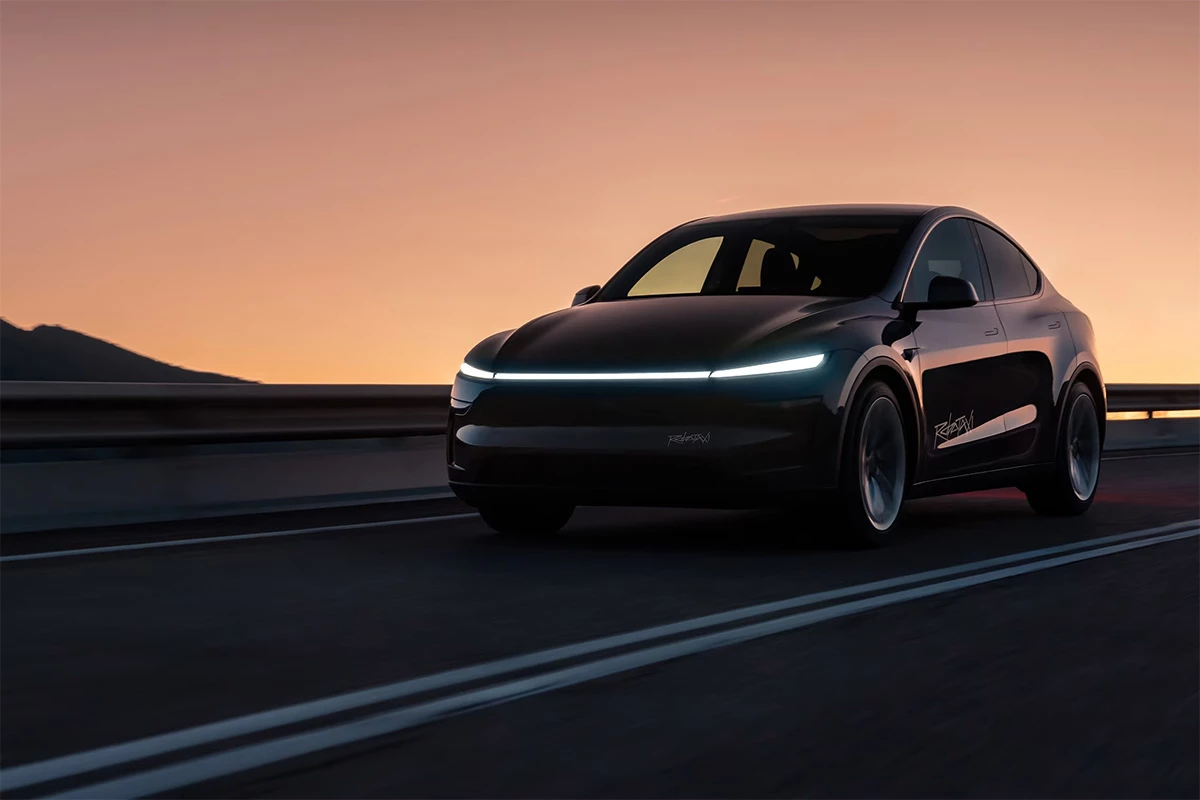
Tesla
As for now, BYD’s rise to the top won’t just irritate Musk and Co., it’ll sting everyone else in the space.

