


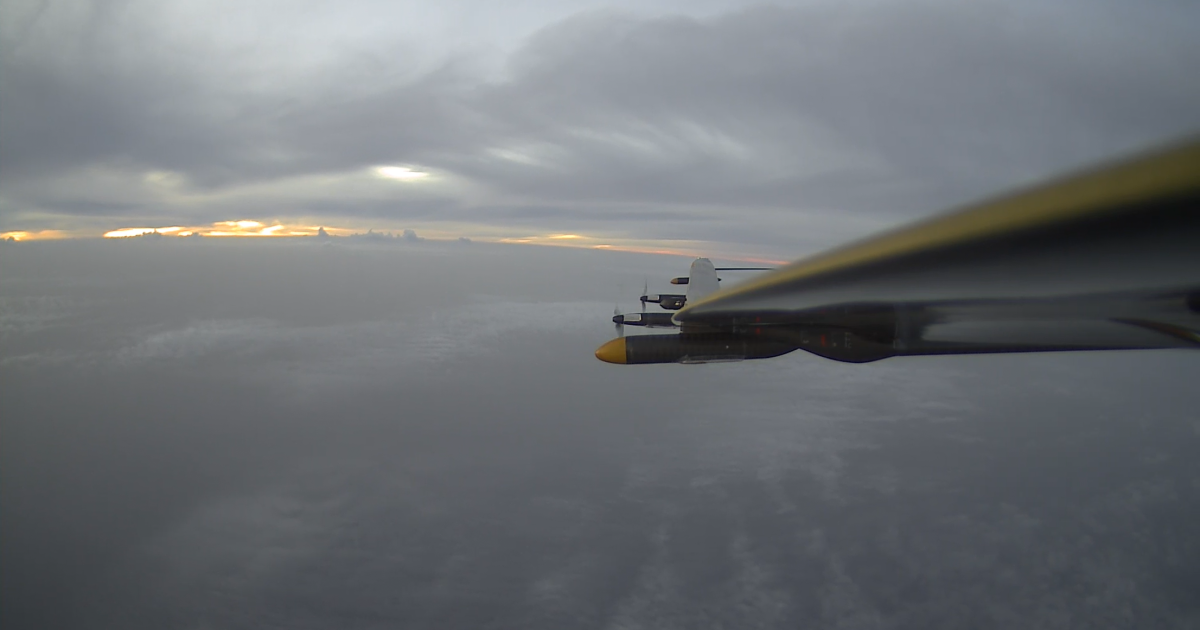
A solar-powered aircraft with a 59-ft (18-m) wingspan has spent 29 hours flying over the island of Fuerteventura, running, even at night, on nothing but stored sunlight. UAVOS says its ApusNeo is the first solar plane to fly at 47,600 ft (14,500 m) in European airspace, and the company wants to put it to work watching for wildfires, one of the archipelago’s biggest summer headaches.
ApusNeo took off on October 16 from the Canarias Stratoport for HAPS & UAS at the Fuerteventura Technology Park in Spain and stayed up for 29 hours. The plane climbed to 47,600 ft, but it could have gone higher, UAVOS founder and CEO Aliaksei Stratsilatau told me. That height marks the ceiling set by the NOTAMs (the notices that tell pilots which parts of the sky are off-limits) published for the flight, which Spain’s air navigation manager ENAIRE coordinated.
ApusNeo is no stranger to Fuerteventura. Last December, the same model flew from the stratoport for ISSEC, a Spanish R&D project looking at how these platforms can send live data to emergency services, according to ENAIRE.
UAVOS
In October, the target was altitude. Endurance had come first. In September, two flights from the same stratoport lasted 29 and 52 hours nonstop, according to CATEC, the Andalusian aerospace center that operates the aircraft.
ApusNeo is not done yet. As I write this, the solar plane is back in the air, and it has already logged more than 80 hours on this flight, UAVOS told me, with 100 as the goal. According to Noticias Fuerteventura, it’s cruising at around 30,000 ft (9,100 m), well below its October mark, and should land back at the technology park on Saturday.
In theory, ApusNeo could stay up for weeks, as long as the days are long enough. Solar panels on the wing power the motors and charge the batteries during the day. After sunset, the aircraft lives off those batteries until the sun comes back up, closing a full day-night cycle.

UAVOS
The aircraft isn’t new to us. We first heard of it in 2018, when it was still a prototype called ApusDuo, with a 46-ft (14-m) span and two wings in tandem. ApusNeo ditches the rear wing, Stratsilatau says, and stretches the remaining one. It now weighs up to 104 lb (47 kg) at takeoff, and a reinforced version can carry up to 7.5 lb (3.4 kg) of payload.
On this flight, that payload was an Earth observation pod, essentially a high-resolution camera plus infrared sensors, sending images to the ground in real time. For wildfire duty, the infrared part is the one that counts, since it picks up heat rather than smoke.
Wildfire monitoring makes complete sense for these platforms. A satellite in low orbit passes over a given spot for a few minutes, and a crewed aircraft or a regular drone eventually has to land to refuel. A solar HAPS (high-altitude platform station) can hang around over the same patch of forest for days or weeks, spotting a fire early and following it as it spreads.

UAVOS
For ApusNeo, though, weeks are still some way off, and so is the altitude the job description calls for. The International Telecommunication Union (ITU), the UN agency that manages the radio spectrum and defines what counts as a HAPS, places these platforms 20 to 50 km (12 to 31 miles) up. Strictly speaking, ApusNeo hasn’t reached HAPS territory yet. UAVOS’s earlier ApusDuo got closer, reaching 54,744 ft (16,686 m) in a 10.5-hour test in Rwanda in 2023, the company says. The benchmark sits much higher: Airbus’s Zephyr, now run by AALTO, has reached 76,100 ft (23,195 m), and in 2025 it stayed aloft for 67 days, 6 hours and 52 minutes, according to AALTO.
Staying up that long is the other gap, and it depends on the calendar. Small solar aircraft live and die by the energy they can bank before dark, and SoftBank, which is developing its own solar stratospheric aircraft, Sunglider, has pointed out that short winter days make year-round flights difficult.
For now, it’s hard to say when ApusNeo’s first real shift as a fire lookout will take place. UAVOS, a technology partner of Mira Aerospace, the HAPS subsidiary of Abu Dhabi’s Space42, is ready to prepare the aircraft for future missions and fit it with more advanced payloads, Stratsilatau says.
Source: UAVOS

