


Researchers have found that vanillin, the compound found in vanilla pods, is not only an aromatic flavoring agent for foods and perfumes, but it can also help treat chronic wounds.
That’s from a paper out of South Australia’s Flinders University, which reviewed several studies conducted over the last 20 years that investigated vanillin’s role in wound healing, and topical drug delivery systems.
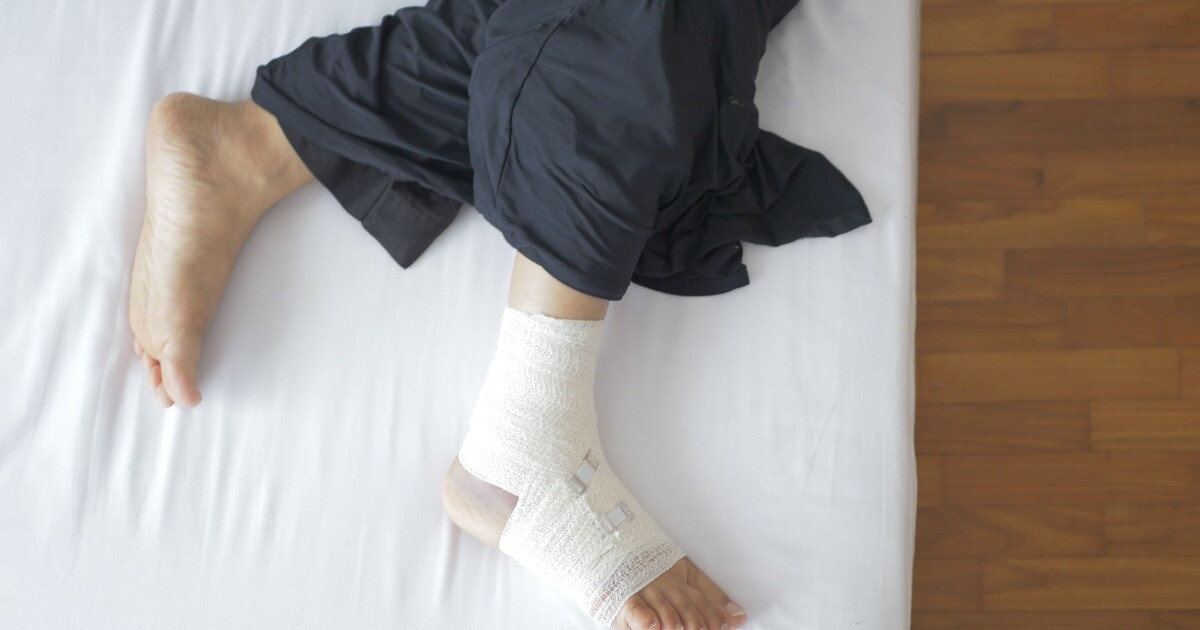
The findings, published this month in the International Journal of Pharmaceutics, could spell relief for people who suffer from chronic wounds – the sort that fail to heal in the usual amount of time due to infection, and remain in a prolonged inflammatory phase. Examples of these include diabetic foot ulcers and non-healing surgical wounds.
What makes vanillin effective in healing?
Vanillin acts both as an active healing compound and as a chemical crosslinker. Its aldehyde structure allows it to form dynamic, reversible bonds (Schiff-base linkages) with natural polymers like chitosan. This enables it to create self-healing hydrogels and wound dressings.
Since it has an amphiphilic molecular structure (which means it attracts water and oil), it can easily blend into various medicine delivery platforms, and pass smoothly through cell membranes.
What does this compound do?
With that, vanillin is capable of fighting bacterial infections in open wounds, and boosting the effectiveness of traditional antibiotics against resistant bacteria.
The compound also acts as a potent antioxidant, neutralizing unstable molecules that build up in non-healing wounds and cause cellular damage.
Vannilin can additionally play a role in bringing wounded regions back to normal.
It helps reduce the production of inflammatory chemicals, and signals immune cells to shift into a tissue-repairing mode. It even stimulates essential skin repair cells – such as keratinocytes and fibroblasts – to migrate across the injured site, promoting faster wound closure.
Lastly, by assisting the conversion of fragile temporary collagen into stronger, mature collagen, vanillin improves the strength of healed skin as the wound clears up.
How well does it work?
Vanillin works well when combined with supportive materials like chitosan to build moist gel dressings, 3D-printed scaffolds, and nanofiber bandages; this way, it doesn’t wash off before it can act on wounds.
Broadly speaking, in the studies the Flinders researchers looked at, these dressings were applied to a range of slow-to-heal skin wounds on mice and rats, and their recovery was tracked over about one to three weeks.
The studies showed that vanillin-infused dressings healed wounds significantly faster than conventional dressings, often achieving 94% to 96% wound closure within two to three weeks.
The treatments also lowered the production of inflammatory signals that cause long-term swelling, and stimulated new blood vessel formation to nourish healing skin. Plus, the compound was well-tolerated by skin cells at the right concentrations.
While numerous modern treatments for chronic wounds exist, vanillin could be used alongside these to speed them up and make them more effective.
The Flinders team believes vanillin is a “promising candidate for incorporation into next-generation therapeutic formulations.” It helps that its synthetic form can be produced at a low cost, and be made readily available for this sort of application.
Of course, more research is required before vanillin-based wound dressings can transition from lab settings to commercial medical products. That includes exploring how topical vanillin permeates damaged skin and the depth it can reach, and isolating which healing effects stem directly from the compound rather than the metabolites produced when skin cells’ enzymes break it down.
Source: Flinders University

