


Only a “negotiated solution” can end the conflict between the US and Iran, Tehran’s foreign minister has said, after President Donald Trump publicly rejected a proposal to reopen the Strait of Hormuz.
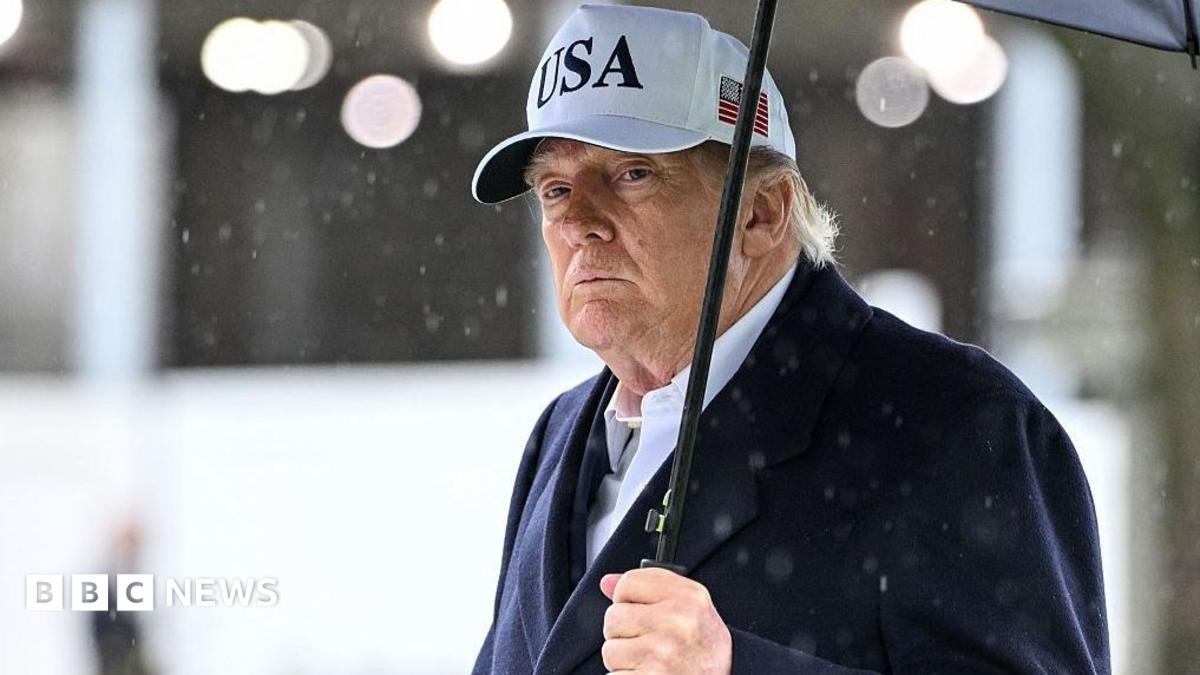
Trump told reporters at the White House that Iran’s proposal was not “acceptable” and that Tehran wanted to make a deal to open the strait to commercial shipping within seven days because “they’re losing so badly”.
In a post on Telegram, Iranian Foreign Minister Abbas Araghchi acknowledged Trump’s rejection, but said Iran would wait for a “definitive” official US response.
He said the president had made contradictory statements in the past.
Araghchi said the conditions to open the strait were the same that had been included in a memorandum of understanding (MOU) between the US and Iran that was signed in June.
Iran said it had raised reopening the strait and ending hostilities during negotiations on the sidelines of the UN General Assembly in New York this past week.
The vital waterway through which around a fifth of the world’s gas and oil supply usually flows has been effectively closed since the outbreak of war in February.
“I’m rejecting their deal,” Trump said on Saturday, adding that the US already had “total control” of the strait, with “massive amounts of oil” passing through it, causing massive rises in global oil prices and steep fuel cost increases for consumers.
Araghchi wrote on Telegram that Trump “has made many good statements, as well as many contradictory ones, which unfortunately we hear frequently”.
He continued: “We are waiting for the mediators to convey the definitive views to us, and we will make a decision based on them.”
Separately, Iran’s President Masoud Pezeshkian, who travelled to New York for the UN general assembly, told the BBC’s US news partner CBS that “distrust created by this war needs to be overcome” in order for talks to be successful.
He said the Iranians were open to talks on implementing the MOU in stages in order to end the impasse, but that the “US needs to show it does not intend to overthrow our government”.
Pezeshkian said Trump had “tore up” the MOU when the US resumed its bombing campaign, adding: “If we don’t abide by what we have written down, can we really resolve it by dialogue?”
He was also asked about Iran’s new Supreme Leader Mojtaba Khamenei, who was injured in the US strike which killed his father in February and has not been seen in public since. Reports have claimed he suffered serious injuries to his legs and face.
Pezeshkian said he had met the supreme leader on two occasions, telling CBS he had “no specific ongoing health issues or challenges” and had been well enough to hold seven hours of talks.
Oman, which has been acting as a mediator between the US and Iran, called for all parties to continue having open dialogue to resolve the crisis.
Oman’s foreign minister, Sayyid Badr bin Hamad bin Hamood Albusaidi, told the UN General Debate that “all parties” should cooperate with Oman in efforts to safeguard navigation in the strategic waterway.

