


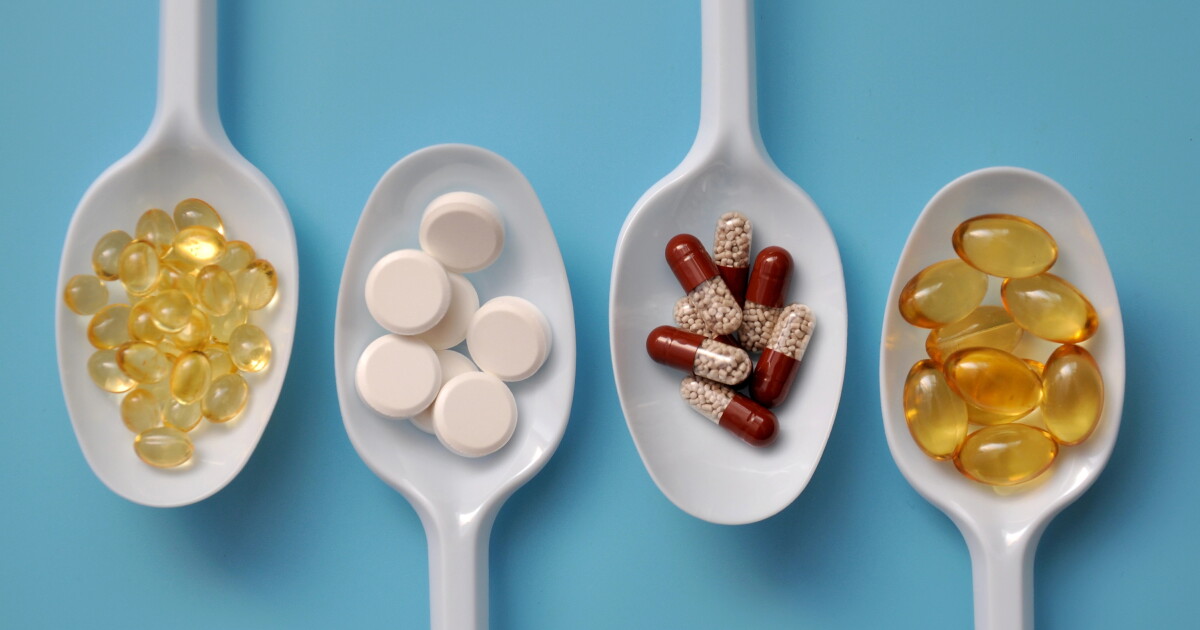
From Korean cosmetic sperm injections to experimental peptides, the wellness industry has become one of the world’s most lucrative, projected to be worth nearly US$10 trillion by 2029. Yes, that’s $10,000,000,000,000.
And in 2026, chronic inflammation – and ways to treat it – is in the spotlight.
I’ve written extensively about inflammation, as it does appear to be a key factor in age-related illness and chronic diseases. It’s also an important biological function – to a point. While necessary for healing injuries and fighting pathogens, as well as playing a role in how we build muscle after working out, it’s also a driver of arthritis and cardiovascular disease, to name just two.
So while we do need to find ways to keep inflammation in check, many of the year’s biggest and buzziest treatments lack robust scientific evidence of their efficacy. And apart from being a financial sinkhole, some can actually be dangerous. So let’s look at what we know so far about a few of them.
Sea moss
Also known as Irish moss, this type of red algae (Chondrus crispus) is not at all a new discovery, but it has begun appearing in a lot of commercial foods and as a supplement. There are many claims of its nutrient value, but the issue is the iodine it contains – and the variability among products. Adults only need a very small amount of iodine – around 150 micrograms – a day for health, and anything nearing or above 1,100 micrograms can be toxic. Requirements and how your body processes iodine is also variable depending on your age, whether you’re pregnant or breastfeeding, and more.
Seaweeds in general have been increasingly studied for their anti-inflammatory effects, but this type of algae that’s become a breakout favorite in the wellness world is still understudied and comes with risks that have the potential to outweigh benefits. And those benefits we’re unsure of, because there’s a lack of research on sea moss’ efficacy in humans.
This kind of red algae’s bioavailability – how the body absorbs its nutrients – is also not well enough understood.
The takeaway here is be aware of its potential negative health impacts, and know that it’s no magic pill for combatting inflammation – a claim you’ll likely see online in any wellness forums and on social media.
Shilajit
Long used in Ayurvedic medicine, this rock compound largely sourced from the Himalayas has been reported to be a powerful antioxidant and anti-inflammatory supplement. But, again, there’s little high-quality scientific evidence of its usefulness in humans. More studies are needed.
While limited human studies on men did not find it to be toxic, even at high doses, authentic shilajit is expensive. And a 2025 study did find that because of how it’s sourced, it comes with a high risk of containing heavy metals. And, apart from its role in inflammation, its reputation as “nature’s Viagra” has little scientific merit.
This is not to dismiss traditional medicines at all – Bai He (or lily bulb) has done more for my poor sleep health than any other supplement. However, the cost of Shilajit, and its variable level of heavy metals – because it oozes from rocks, it has been found to also contain lead, arsenic and mercury – could be cause for caution. Without further research and being able to quantify those heavy metals in supplements, at this stage the cons outweigh the pros.
Bovine colostrum
If you’ve listened to podcasts regularly, chances are you’ve heard ads for bovine colostrum. Essentially, as this 2021 paper describes it, it’s “the milk produced during the first few days after birth and contains high levels of immunoglobulins, antimicrobial peptides, and growth factors.”
However, while some research seems promising when it comes to human gut health, many questions remain – including its bioavailability in humans. While it’s critical for the early development stages of calves, the science community appears divided on its value to the human body.
Also, regulations vary widely around the world, and more robust evidence is needed to confirm if this colostrum can truly benefit us. Most studies have so far focused on gut health, which can be maintained instead by diet.
Turmeric and curcumin
We’ll group these together as they’re often mentioned as the same supplement. Turmeric is actually the entire rhizome (root) of a plant, while curcumin is an active compound found within it.
There have been promising studies on turmeric over the last few years, but these supplements are plagued by a big issue: bioavailability.
Both turmeric and isolated curcumin do have some good data behind them as anti-inflammatory supplements, but our physiology has been shown to negate most of the potential they offer.
They also have been shown to come with the risk of liver injury. Because of how our metabolism works, their benefits are pretty much lost. This can encourage people to up their intake, but that simply increases the risk of damage to the liver. So normal use of turmeric is not harmful, we’re simply unable – so far – to be able to reap the rewards this plant root has.
And anyone with liver issues should be particularly wary of their intake.
Akkermansia
While this supplement has been hyped up as a microbiome hero, we’re nowhere near being able to demonstrate its impact on inflammation.
Its full name is Akkermansia muciniphila, a bacterium that has gained attention recently for having a beneficial impact on metabolic conditions like obesity and diabetes. However, again, there isn’t enough evidence to support it being some inflammation-beating miracle drug. In fact, there’s more research showing that the complexities of the gut microbiome means an overpopulation of any beneficial species could do more harm than good.
While promising on its own, the science community is still trying to understand the gut microbiome and how imbalances actually trigger inflammation. So, again, aside from there being a lack of human-based evidence for adding this bacterium to your gut, there are also animal-based studies showing it could be harmful.
Tart cherry
It may not all be bad news, however. There’s a growing body of evidence that shows tart cherry – usually in juice form – can reduce inflammation in older adults. Including helping to reduce osteoarthritis flare-ups.
However, human trials have been relatively small, and questions remain about the bioavailability of the fruit’s nutrients.
“Inconsistencies in study outcomes, variations in dosage, and heterogeneous populations limit broad conclusions,” researchers note in this 2025 review. “Importantly, there remains a lack of high-quality, long-term randomized controlled clinical studies to confirm these effects and clarify the mechanisms involved. A significant research gap persists in understanding the bioavailability of polyphenols, particularly regarding their absorption, metabolism, and excretion.”
While there are many more on the wellness list for inflammation treatment, you’ll see a pattern here: A lack of research involving humans, issues with toxicity, and our natural biological inability to absorb and benefit from the nutrients that could potentially help.
That said, some of the year’s biggest wellness supplements may indeed help. But it’s important to go beyond the anecdotal and know the risks that some of these “wonder drugs” come with. And how, even if we understand the goldmine of nutrients and minerals something like tart cherry has, we also need to uncover just how much is lost through our own biology.
Your money is better spent on the boring stuff we all know by now – whole foods, high-fiber produce and staying as active as you can.

