


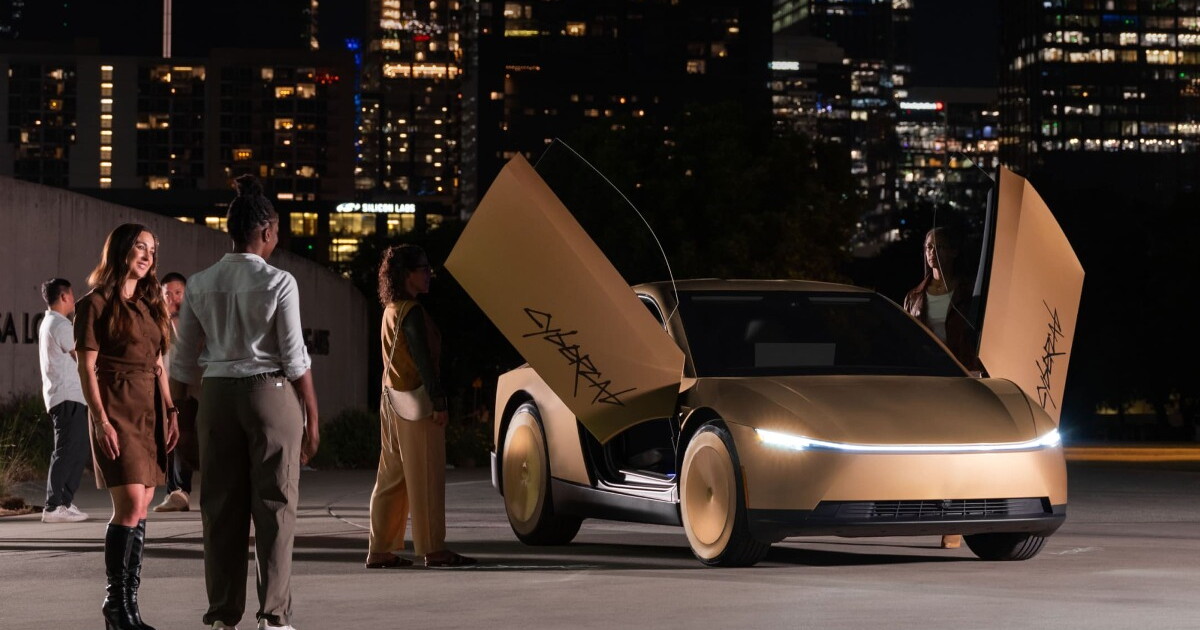
Tesla quietly rolled out its Cybercabs in Austin, Texas yesterday. That’s the company finally making good on its plan bring these vehicles on to public roads about two years after they were first revealed.
It’s also a few years later than Elon Musk’s own prediction about these arriving in 2020. The electric two-door, two-seater cabs with no steering wheel or pedals in sight are being added to Tesla’s existing robotaxi fleet, which includes Model Y SUVs that have been operating in Austin since last June with a backup human operator on board.
So does that mean you’ll soon be riding around in an entirely autonomous Tesla – or will another robotaxi brand beat it to the punch? Well, it depends on a couple of major factors. But first, here’s a bit more context about Musk’s foray into this space.
The Future Has Arrived | Cybercab
Unlike the case with virtually every other robotaxi business, Tesla kept this launch suspiciously quiet. The company held a private event, reportedly with a small number of guests, and prominent media wasn’t invited. There wasn’t even a press release like you usually see with rollouts like this.
That’s odd given the hype Tesla built up at the Cybercab reveal in 2024. The company also noted this January that it would focus more on autonomous vehicles – including producing the Cybercab in large numbers – and ceased manufacturing a couple of its EV models.
Tesla
A month later, the first Cybercab rolled off the assembly line at Tesla’s Texas-based Gigafactory.
The company usually doesn’t make its moves on the down low. In this case, it might make sense, given that running a truly driverless cab service on public roads is risky business and fraught with technical challenges.

Tesla
On the other hand, it’s already got competition from the likes of Waymo and Amazon-backed Zoox. Uber and Lyft, meanwhile, have arrangements with Waymo, Nuro, and Motional to provide robotaxi rides on their platforms. There are other partners working with them in different stages of testing and rollout in the US, as well as other countries in Europe and Southwest Asia (or the Middle East).
These companies will naturally have an edge over Tesla’s effort, seeing as how they’ll have got more vehicles on the road, and clocked more miles with passengers thus far. They already operate in multiple cities across the US now, where they’ve cleared regulatory hurdles over the last few years to secure permission to ply their self-driving taxis.
That said, Waymo and Zoox operate in limited geofenced areas that the vehicles have been extensively trained to navigate safely. There’s also some degree of teleoperation (remote human intervention in tricky driving situations) involved, which means they’re not 100% autonomous.
All of that is to say, location will be a major factor influencing which robotaxi you hail in the near future. Tesla’s robotaxis – including the Model Y, are currently available in limited areas of Miami, Orlando and Tampa, Florida and Austin, Dallas, and Houston, Texas.
Tesla’s other big plan is to sell Cybercabs to people, and allow them to operate their own fleets of robotaxis and share in the profits of this service. The idea there is to expand the number of these vehicles around the country. That’s not going to be easy, not by a long shot.

Tesla
Clearing all the regulations required to sell people a steering wheel-less vehicle that’s meant to ferry other people is going to take years and a lot of painstaking effort to pull off. And that’s just in the US alone.
There’s also all the legalities involved in running a robotaxi service with privately-owned vehicles. Who’s liable in case of an accident? What happens if a Cybercab is tampered with by the owner or a passenger? Heck, who ensures that the cab’s always clean between rides?
Oh, and this is supposed to become available to buy at about US$30,000. Tesla has a form you can fill out if you’re interested in becoming an owner, but I won’t hold my breath to see slots run out.
In any case, the company has finally managed to get this thing on the road, which is a major achievement any way you slice it.
It’ll possibly expand operations across other major robotaxi-friendly cities over the next couple of years. The only challenge is, its rivals will continue to build on their successes in the meantime too.
So unless Tesla can completely solve the challenges of fully autonomous driving and roll out loads more Cybercabs, it’ll find itself competing with way more experienced players, and you’ll likely find yourself riding in a Waymo or Zoox sooner than in a Tesla two-door. For the next few years, at the very least.

