


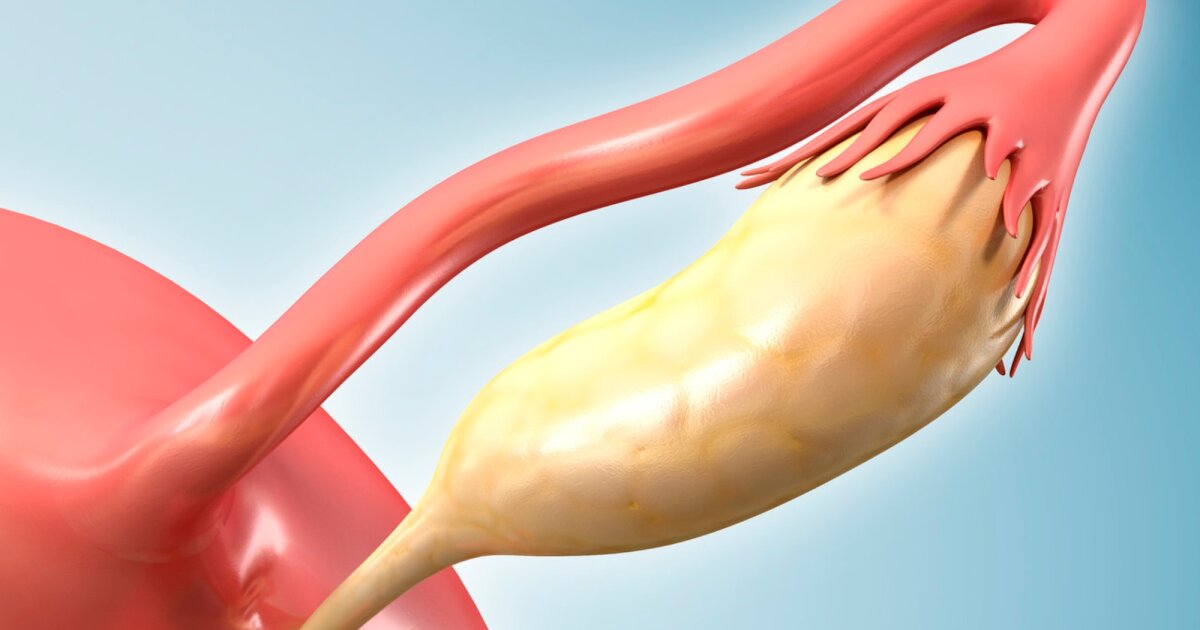
The ovaries are the earliest aging organ. Their supply of egg-containing follicles slowly runs out over a woman’s lifetime, so that by the time menopause arrives, follicle numbers have dwindled to approximately one thousand.
While the average human lifespan has extended, the typical age of menopause hasn’t budged. This means that women now live for decades post-reproduction, with ovaries that have an uncertain occupation after the menopause.
For years, scientists assumed that once the follicles were gone, the ovary simply shut down, an organ that had served its purpose and then fell silent.
Yet new research in a study led by scientists from Northwestern University in the US challenges this long-held view. Instead of fading into silence, the post-reproductive ovary undergoes a dramatic shift, taking on an immune identity that may influence how the body ages.
To uncover this transformation, researchers studied mouse ovaries at three stages of life: reproductively young (2 months), reproductively old (18 months), and post-reproductive (24 months). The scientists followed the ovary through its transitions once its reproductive function had ceased, observing the organ’s effects on health many years after menopause by comparing these stages.
The researchers stated, “We found that ovaries from mice post-oopause completely lost their reproductive cellular identity and instead transitioned to an immune-like inflammatory organ.”
Using a combination of histology and bulk transcriptomics, they tracked processes occurring in the ovary after its follicle reserve was depleted.
Young mice had ovaries filled with follicles in various stages of growth, as well as countless corpora lutea, transient structures that signal ovulation and regular cycles. The researchers also saw expected signs of aging in the ovaries as the animals grew older: fewer follicles, remodeled tissue, and increased collagen. However, the transcriptomic data showed some surprises.
Next, rather than switching from an ovulatory to an inactive post-reproductive state, the ovaries shift in identity, from reproductive organs to parts of the immune system. T cells and macrophages were infiltrated, along with giant multinucleated cells, indicating that the ovary continues to undergo molecular transformation even after fertility has ended.
Instead, what the researchers discovered is that even after reproduction folded, the ovary does not simply halt; it continues to morph. The ovary itself mediated these effects. Still, they showed that while in many ways strangely similar to low-quality young ovaries, ovarian identity does not plateau at an old or post-reproductive level.
Post-reproductive ovaries begin secreting pro-inflammatory signals, potentially influencing tissues far beyond themselves. In other words, the ovary may act as a source of systemic aging cues.
This recasts the ovary from an exhausted organ into a dynamic contributor to whole-body physiology: an enduring, active endocrine and paracrine regulator that continues to influence health long after fertility has ended.
This study also constrains upper limits for viscosity (or resistance) and the ability to mold designable configurations for the ovary at levels similar to those of major rock-forming minerals, failures that the author states are “Go ovarian.” But more importantly, it runs counter to the long-held assumption that the post-reproductive ovary is dormant.
Instead, the ovary gains an immune signaling-based identity. This point of view could change the way scientists understand age, inflammation, and the influence of reproductive organs on systemic health.
This reframes the ovary not as a spent organ, but as an active participant in physiology, an immune organ sending signals that ripple across the body. It also paves the way for new studies on interactions between inflammation and longevity and sheds light on organs that may be more than passive, pathologically altered signs of aging.
This research was published in the journal Molecular Human Reproduction
Fact-checked by Mike McRae

