


The idea that blood type might influence human health has long been more folklore than science. Evidence that type O resists malaria and type A increases the risk of heart disease was limited and spread across numerous studies.
Now, a team of researchers in China has sifted through the noise in what amounts to the most comprehensive review yet, and the results are both sobering and intriguing.
Published in Archives of Women’s Mental Health, the umbrella review (UR) analyzed 51 systematic studies covering 270 possible links between ABO and rhesus (Rh) blood groups and health outcomes. The verdict: most associations are weak, fragile, or inconsistent.
But one stood out, shining through the statistical haze with convincing clarity. Blood group B, the researchers found, is convincingly associated with a higher risk of type 2 diabetes mellitus. People with this blood type face a 28% greater risk compared with non-B groups.
“This is the first UR to provide a comprehensive overview of the observational data assessing associations between the ABO and Rh blood groups and multiple health outcomes,” the researchers write.
“And we found 89 statistically significant associations. Convincing evidence was only presented for the association between blood group B and T2DM risk. Highly suggestive evidence was presented for 18 associations, such as HIV and VTE.”
This conclusion was based on nearly 7,000 cases, presented low differences across studies, and passed strict tests for bias. The study that reported this link had a high score for quality, which gave scientists confidence that the association is accurate.
Nine other associations reached moderate levels of evidence under GRADE criteria, suggesting additional connections worth exploring further. But the vast majority of the 270 associations fell into weaker categories. In other words, while blood type may play a role in health, most of the supposed links are tenuous at best.
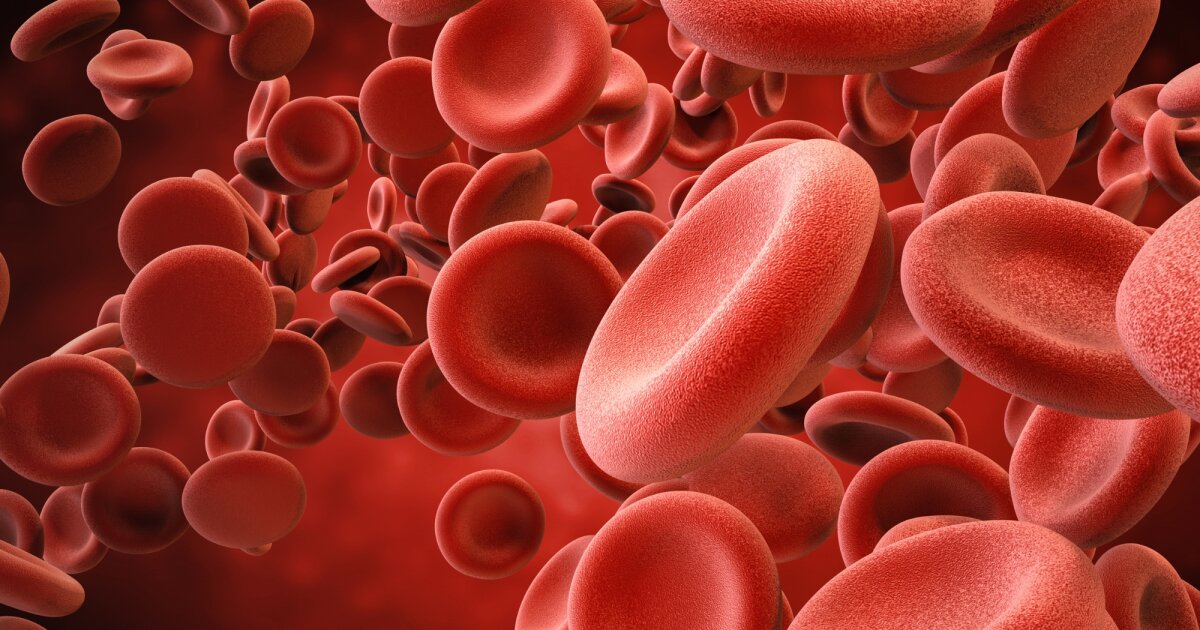
Blood groups are one of the most basic biological traits. They are determined by tiny sugar molecules on the surface of red blood cells. While they are crucial for transfusions, their role in disease risk is still not fully understood. The new review suggests that, although many claimed links are weak, the connection between blood group B and diabetes is worth examining more closely.
And not everybody with blood group B will develop diabetes; these findings are mere indications. Lifestyles, genes, and the environment play an equally important role in determining risk. But the study also highlights a little-known fact: even basic biological markers may hold many more secrets about health.
The authors conclude, “Our findings suggest a potential relationship between ABO and Rh blood groups and adverse health outcomes. Particularly the association between blood group B and type 2 diabetes mellitus risk.”
To provide more powerful evidence and sound recommendations, future studies should use the same control groups, employ standard definitions of exposures and outcomes, and use cohort matching of cases with controls to mitigate bias. Researchers will also need to investigate the biological mechanisms linking blood groups and different conditions.
This research was published in the Archives of Women’s Mental Health.
Fact-checked by Mike McRae

