


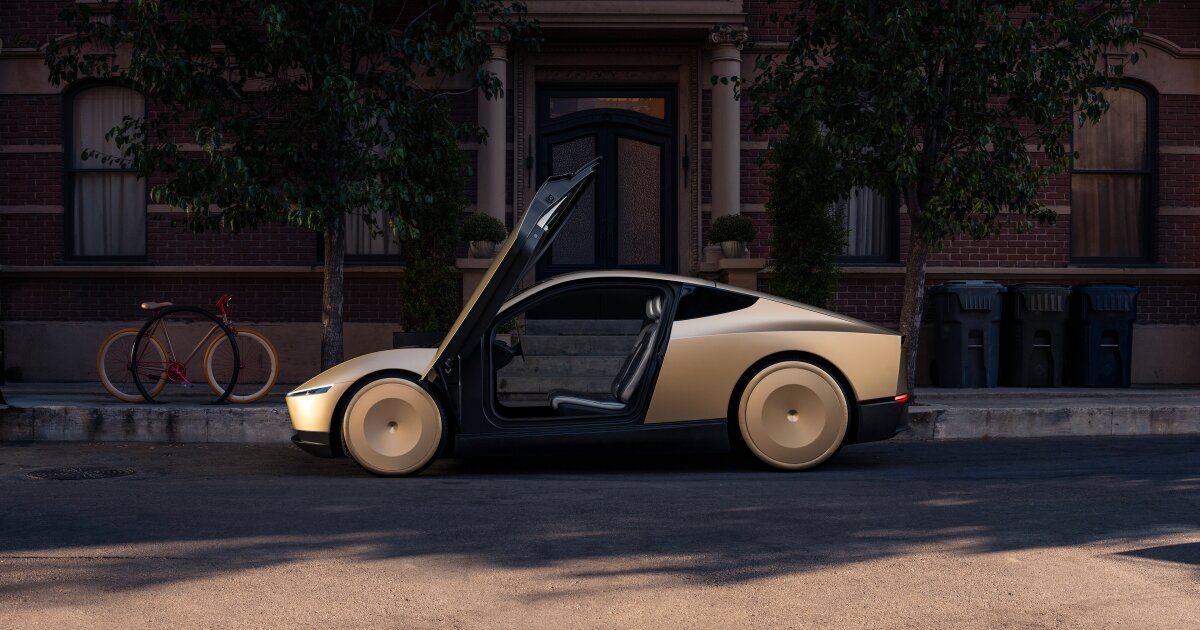
Back in February, when the first Tesla Cybercab rolled off the line at Tesla Gigafactory Texas, there was plenty of talk in media circles about what was to come. Now, Tesla’s certification documents submitted to the Environmental Protection Agency (EPA) reveal all that was previously under wraps.
Though we now know a great deal more about the highly anticipated Cybercab, there are still some really important bits that are missing from these documents.
First, let’s start with what we do know. Curb weight: 3,113 lb (1,412 kg). That’s roughly 700 lb (317 kg) lighter than the lightest Tesla Model 3 currently on sale. Not too shabby for a modern electric vehicle (EV). But then again, it’s important to remember the Cybercab’s only got two doors and two seats.
In that regard, the Cybercab might just be a tad too heavy. For instance, the Toyota GR86, which has two (albeit tiny) seats at the back as well, still comes in at 2,811 lb (1,275 kg). Even a proper two-seater like the Porsche 718 Cayman is lighter, at around 3,058 lb (1,387 kg).
Tesla
Of course, a good chunk of that heft comes from the 680-lb (308 kg) Lithium-ion, single pack 326-V, 47.6-kWh battery. That unit should be enough to offer around 418 miles (673 km) of mixed range or 375.4 miles (603 km) of highway range alone.
Keep in mind that those numbers are for the EPA’s Multi-Cycle Test (MCT). Out in the real world, expect the actual range to hover around the 300-mile mark. The battery is also listed for a recharge energy (AC from wall) of 53.365 kWh.
Next up, the motor. Documents reveal an AC 3-Phase Permanent Magnet motor that’s rated at 219 hp. But perhaps, more interestingly, the Cybercab will be a front-wheel drive, single-speed automatic – as opposed to a rear-wheel or all-wheel drive on most Tesla EVs.
And there’s good reasoning for this: a front motor helps shed weight and complexity by doing away with the necessity for a rear subframe and driveshaft, especially in a car that’s not meant to offer the performance characteristics of rear-wheel-drive.
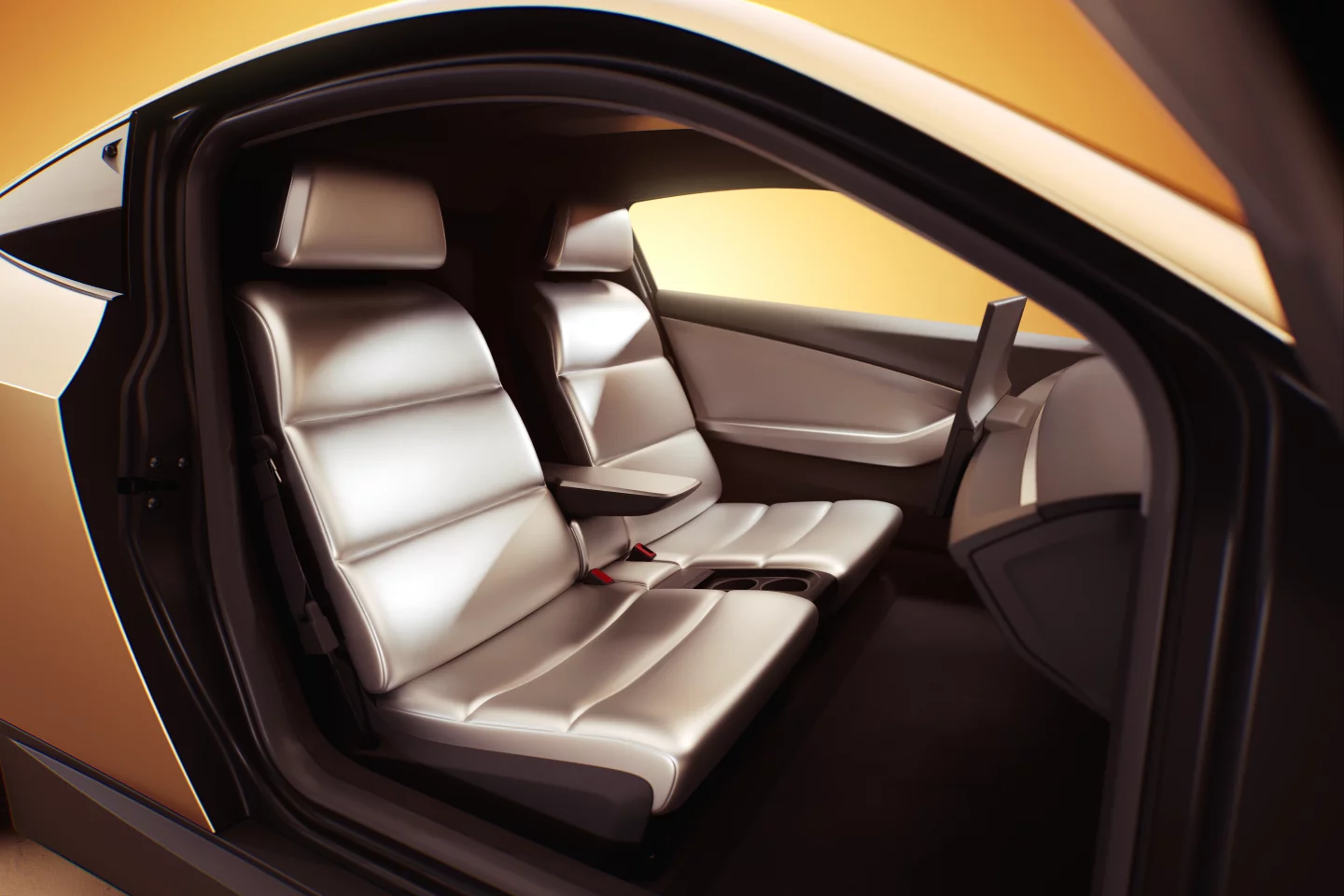
Tesla
Other than this, the documents also reveal that the Cybercab will come with regenerative braking at the front wheels. The filing also has an “Introduction into Commerce Date” listed as May 29, 2026. We are well beyond that date.
So why are we still not seeing Cybercabs in action then? That’s because the biggest feature of these cars is still unclear and obviously missing from the filing… autonomous driving.
The Cybercab has no clear route to driverless operation, and Tesla has yet to obtain regulatory certification for full self-driving. It looks like the car is ready to roll off the production line, fully-certified, and ready for a mass-market release … but without autonomous clearance.
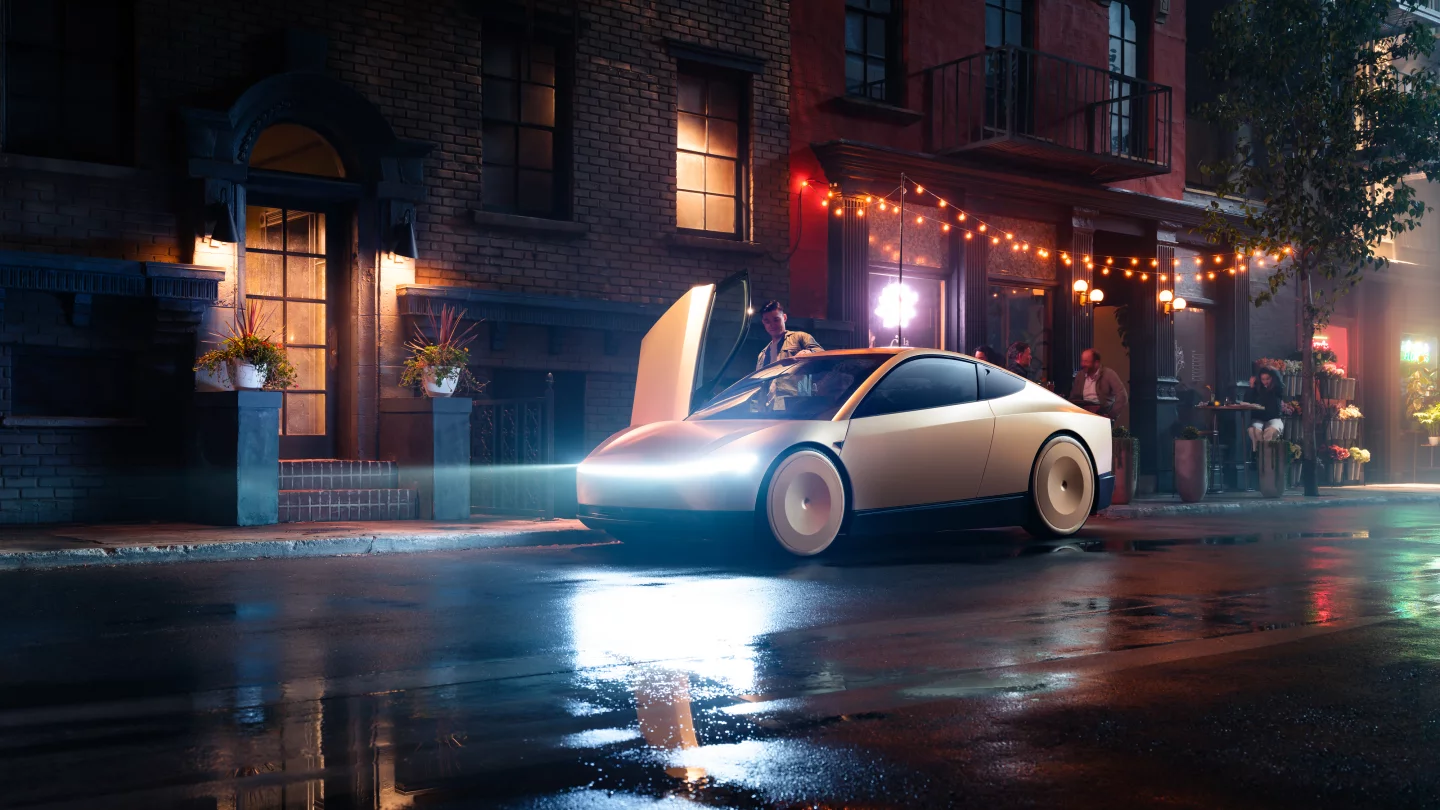
Tesla
The truth is that the entire premise of the Cybercab rests on the promise of true autonomous operation, and that’s the part that remains frustratingly vague. Battery size, range, efficiency, and production targets are all important, but they’re ultimately supporting actors in a story that still hinges on whether the car can reliably drive itself without human intervention.
A robotaxi that still requires supervision isn’t really a robotaxi at all; it’s simply another electric car with ambitious software. And until the autonomy question is answered, everything else is just background noise in my eyes.
Source: EPA

