


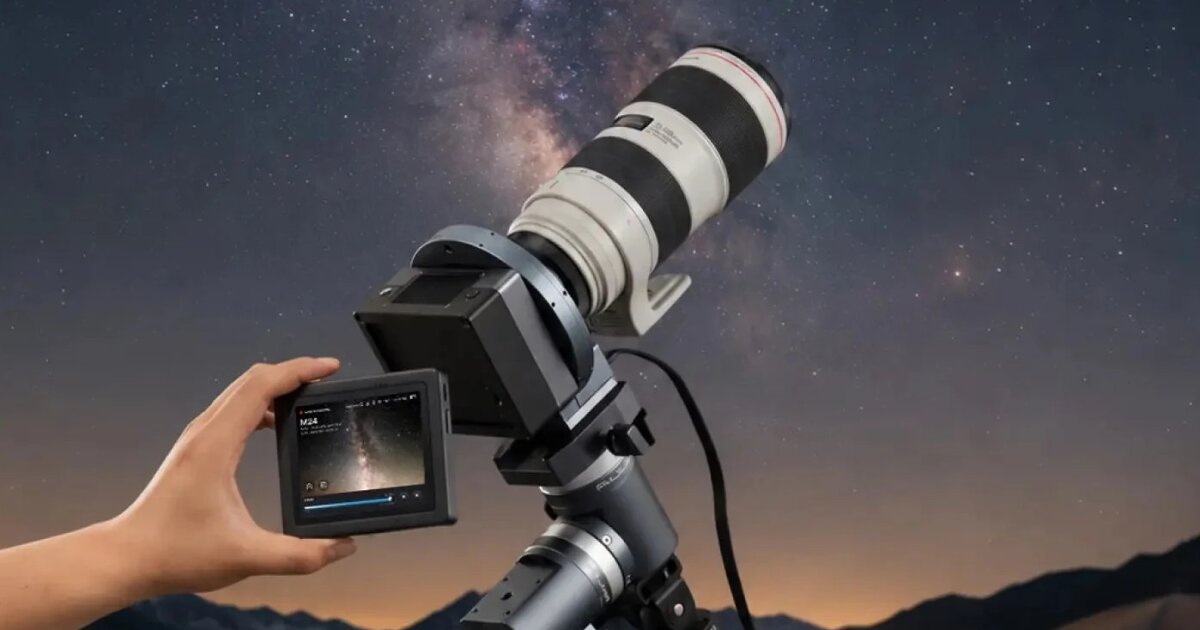
ArcBlue is pitching a simpler astrophotography setup that minimizes installation and monitoring, while still aiming for serious deep-sky capability. The C42 was unveiled at the National Association of Broadcasters (NAB) show in April, and the system is planned to launch on Kickstarter soon.
Astrophotography has traditionally been split into two extremes. On one side, you have powerful telescopic rigs that can capture detailed deep-sky images, but often involve heavy equipment, cables, alignment, and a ton of patience. On the other, you have beginner-friendly smart telescopes that make the process simple, but usually, at the cost of imaging power.
ArcBlue
The ArcBlue C42 sits somewhere in the middle. It offers a more capable night-sky imaging setup without the usual headache involved in building your own rig from scratch, combining faster setup, automated capture, live preview, and alerts. The C42 isn’t about making astrophotography completely effortless; it’s about removing the entry barrier that stops most people shooting on those elusive clear nights.
The technical heart of the C42 is its camera. Rather than calling it a beginner-friendly all-in-one device, ArcBlue is pitching it as more of a professional full-frame imaging system, built around a 24-MP Sony IMX410 full-frame CMOS sensor. The specs include 5.94-μm pixels, over 80% quantum efficiency, under 1.5e read noise, and TEC cooling down to 30 °C below ambient.
That larger sensor is the feature that sets the C42 apart from many other compact smart telescopes and APS-C-based systems, promising a wider field of view, cleaner low-light data, richer detail, and more room for post-processing.
ArcBlue
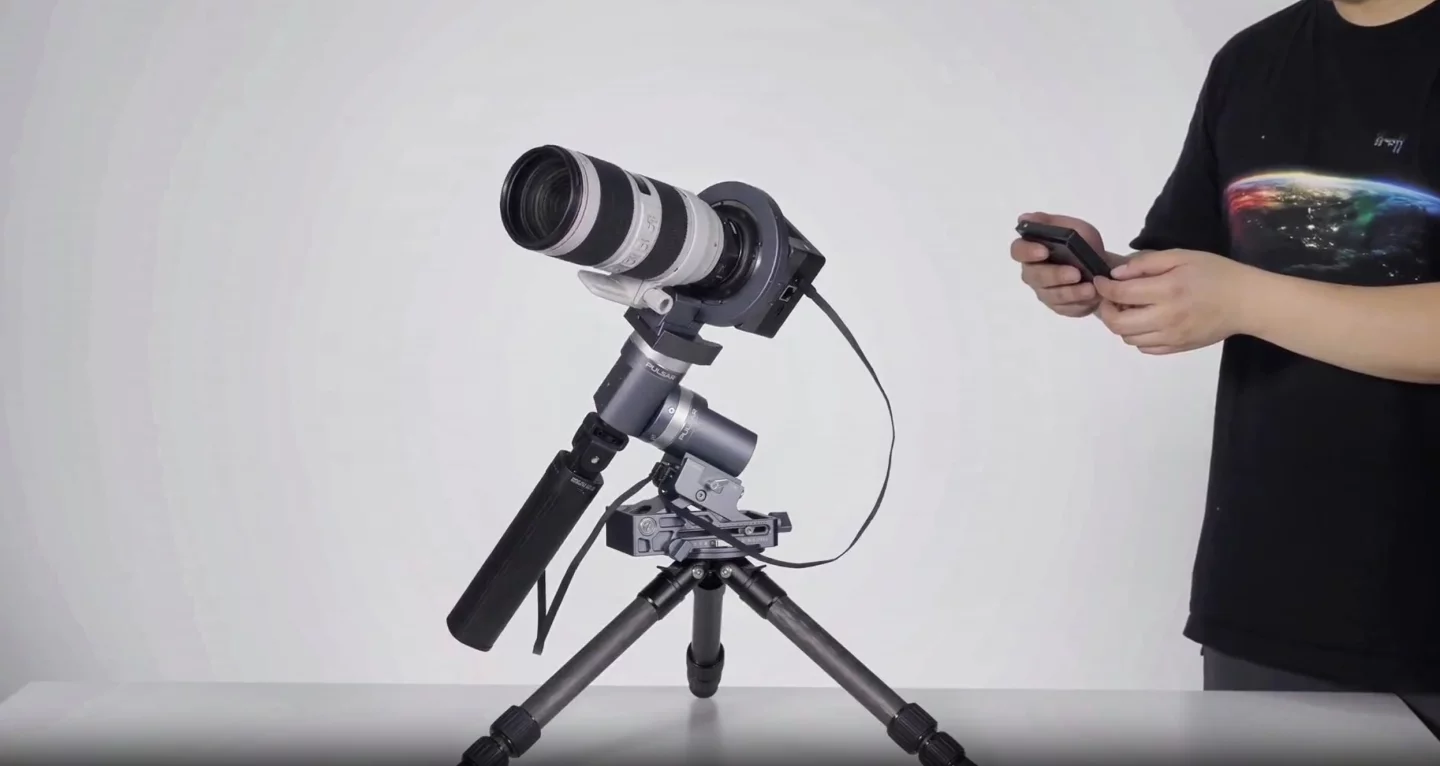
Flexibility is the other major difference from fixed-lens smart telescopes. Built around a native Sony E-mount, the C42 supports Canon EF, Nikon F, and telescope systems via standard adapters – meaning your final image quality can scale with the quality of glass you attach.
This open optical ecosystem gives the C42 immense room to grow, supporting everything from a 14-mm ultra-wide nightscape lens to a massive 2,000-mm+ planetary setup on an advanced equatorial mount.
For instance, on its website, ArcBlue shows configurations like a wide-field nightscape kit, deep-sky telephoto kit, deep-sky and planetary kit, ultra-light nightscape kit, and a DIY expansion kit for heavy-duty equatorial mounts and advanced telescopes. This is thanks to “a growing ecosystem of accessories, [lens] collaborations, and field essentials.”
ArcBlue is also aiming to address some of the usual issues people face with long-exposure astrophotography: star trails, field rotation, tracking drift, and sensor noise. The C42 uses tri-axis harmonic tracking, high-precision servo motors, closed-loop correction, and sensor-level guiding through the main imaging sensor – with a claimed tracking accuracy of under 1 arcsec/min and exposures up to 10 minutes.

ArcBlue
Target acquisition, plate-solving alignment, and guiding calibration are handled entirely by on-board automation, shrinking a process that traditionally takes more than an hour down to a 10-to-20-minute window.
A detachable magnetic touchscreen gives you localized remote control, while the software suite handles remote live previews, real-time stacking, bad-pixel removal, and automatic HDR processing, all directly on the device’s 2-TB internal storage.
ArcBlue
The ArcBlue C42 appears to represent a serious evolution in automated astrophotography. By combining an uncompromised full-frame sensor with an open optical mount, the system has the potential to appeal to seasoned astrophotographers who simply don’t want to deal with traditional setup headaches anymore, as well as beginners looking to step up their stargazing game.
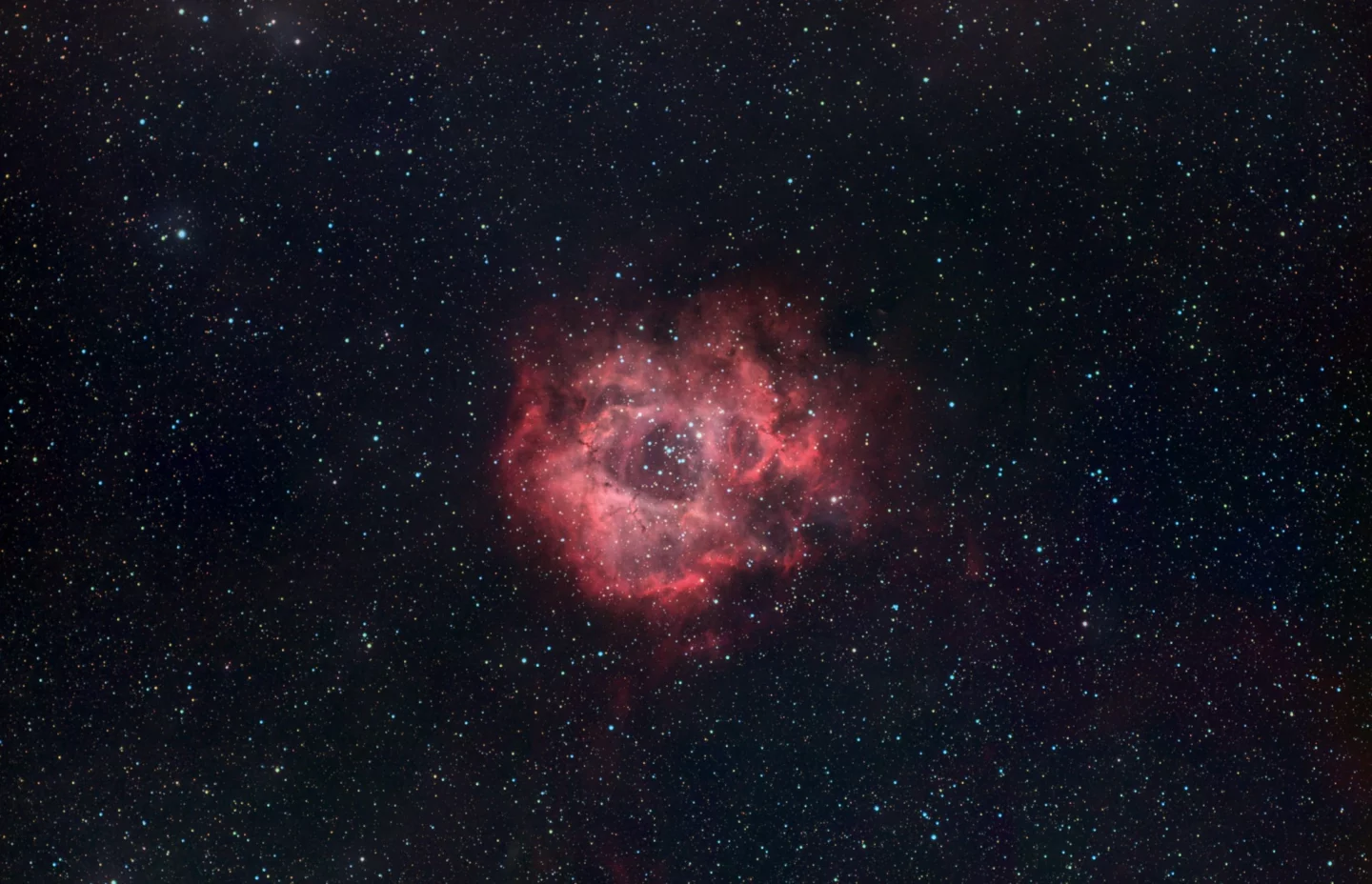
ArcBlue’s website has some sample images that show the C42 is capable of producing some truly stunning results. However, the real test will be real-world performance; with the Kickstarter campaign yet to launch, its success will likely hinge on its undisclosed price point.
Source: ArcBlue

