


A new injection developed by researchers and an Australian biotechnology company may have a life-changing impact on an estimated nine out of 10 dogs that suffer from serious respiratory issues directly tied to their breed. It has the potential to allow these flat-faced breeds to live happier and longer lives, in a far less invasive way than existing methods.
It’s well known that we (well, more specifically, humans in the mid-1800s especially) have really done a number on the pets we now share our lives with. Years of selective breeding for desirable aesthetics at the time has ultimately resulted in what we live with now – pet dogs, cats and rabbits with a suite of health problems brought on by fundamental morphological changes.
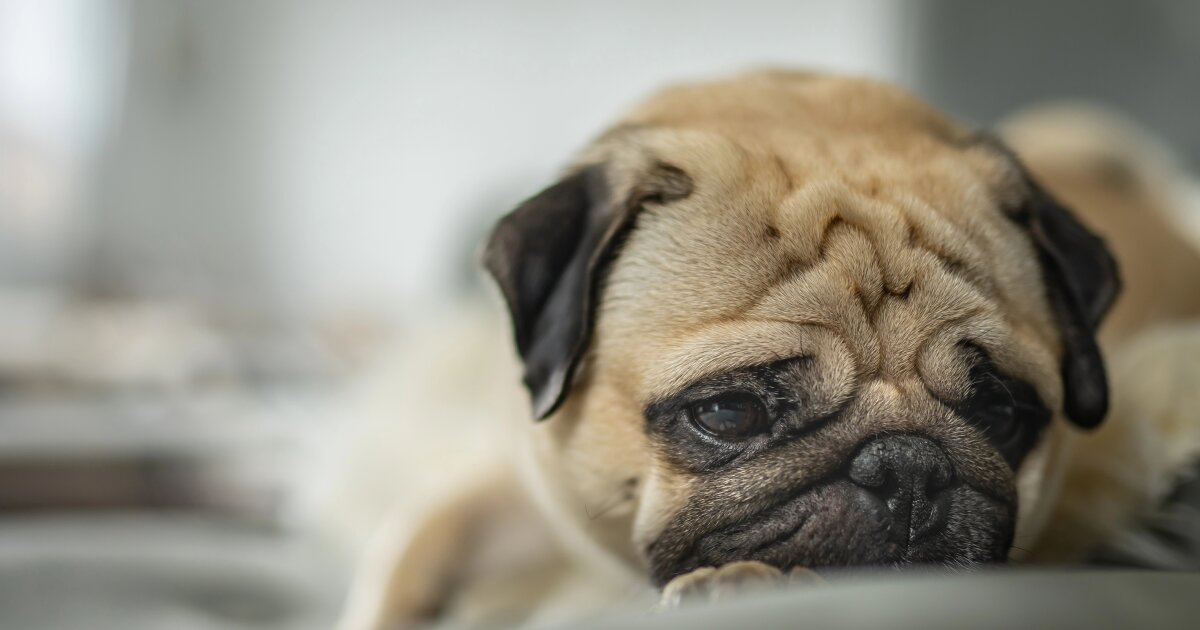
Dog breeds like pugs and French and English bulldogs now have significantly altered skull shapes that result in serious, and even life-threatening, issues created by our value of aesthetics. In the case of these breeds, around 90% suffer from brachycephalic obstructive airway syndrome (BOAS), a chronic condition they’re born with that gets worse with age. BOAS doesn’t just mean a poorer quality of life, and increasingly severe issues with age and through weight gain (often a side-effect of their inability to exercise because of BOAS), but it also shortens their lifespan and obviously takes a huge emotional (and financial) toll on their human “parents.”
“Common respiratory symptoms include loud respiratory sounds such as stridor and stertor, increased inspiratory effort and dyspnea, which can lead to cyanosis, syncope, poor thermoregulation, and even death,” researchers noted in a 2025 study published in Frontiers in Veterinary Science. “Since the intensity of the symptoms often increases with age, BOAS is considered a progressive disease.”
New Atlas
In a previous workplace that was pet-friendly, a colleague would bring her adorable bulldog to the office every day – but would warn everyone that if he got too excited about meeting new friends, he’d basically pant excessively until he vomited. BOAS also inhibits a dog’s ability to regulate its temperature naturally, causing a cascade of further issues.
The RMIT University team reiterates how serious BOAS is for animals that have become the adorable but flawed results of our desire to redesign nature.
“Decades of selective breeding for the popular flat-faced appearance have unfortunately led to serious breathing problems,” said Snoretox managing director and RMIT Adjunct Professor Tony Sasse. “In severe cases, the condition has been shown to shorten a dog’s life by up to four years.”
So let’s get to the good news. Australian scientists at the Royal Melbourne Institute of Technology (RMIT University) in collaboration with the rather well-named biotechnology firm Snoretox have developed and tested an injection that has a remarkable impact on alleviating the symptoms of BOAS, offering a long-term and minimally invasive way to restore quality of life to our squishy faced best friends.
The changes that the injection made on a dog named Pugtato are pretty remarkable – but a word of warning that if you haven’t experienced the struggles that flat-faced animals deal with when excited or being active, it might be a little confronting.
Pugtato before and after Snoretox-1 treatment | RMIT University
While the early study group has been small – six bulldogs with severe BOAS that prevented them from even completing a three-minute walk – the changes after treatment were seen in each individual. Following treatment, all dogs could manage this short walk with “noticeably reduced breathing noise and effort.” In fact, the six dogs completed this walk with increased speed and none of the previous telltale signs of difficulty.
“We also observed improvements in dogs that had not responded well to previous surgery,” Sasse said. “Further research and regulatory approvals are required before the treatment can be offered more widely, but these positive results provide an early indication that we are on the right path.”
The treatment, known as Snoretox-1, is a modified tetanus toxin injection that improves the tone of muscle found in the floor of the mouth, which forces airways to naturally remain more open. Strengthening this area of muscle has a cascading effect along the respiratory tract, relieving the constriction that excessive throat tissue – a hallmark of these flat-faced breeds – creates.
“In short-snouted breeds, the soft tissue in the upper airway hasn’t adapted to the shorter skull,” said RMIT biotechnologist Professor Peter Smooker of Snoretox-1, which has been in development for a massive 15 years prior to its recent testing on those six bulldogs. “This leaves excess tissue crowded into a smaller space, where it can obstruct airflow. The therapy strengthens the muscles at the front of the airway, helping support the throat and maintain airflow during breathing.”
The treatment, which safely increases muscle tone in the airway, has the potential for application beyond these dog breeds – but right now the scientists are focused on getting Snoretox-1 to pets. By its nature, it could be adapted for human use in the future.
“This product has platform potential for a range of conditions in both animals and humans,” Sasse said. ”From a regulatory approvals perspective, it makes sense to start with these animal applications, but we are keeping the bigger picture of wider applications in animals and humans in mind.””
Currently, the only option to alleviate the symptoms of BOAS is surgery to widen nostrils and remove airway-blocking throat tissue, as well as behavioral regimens like diet and exercise. Not only are these interventions ongoing for such a chronic condition, but prohibitively expensive and there’s no guarantee the animals will experience a significant improvement in quality of life – or lifespan.
“Research shows that up to 60% of affected dogs still experience breathing problems after surgery, and 7% do not survive the procedure,” Sasse added.
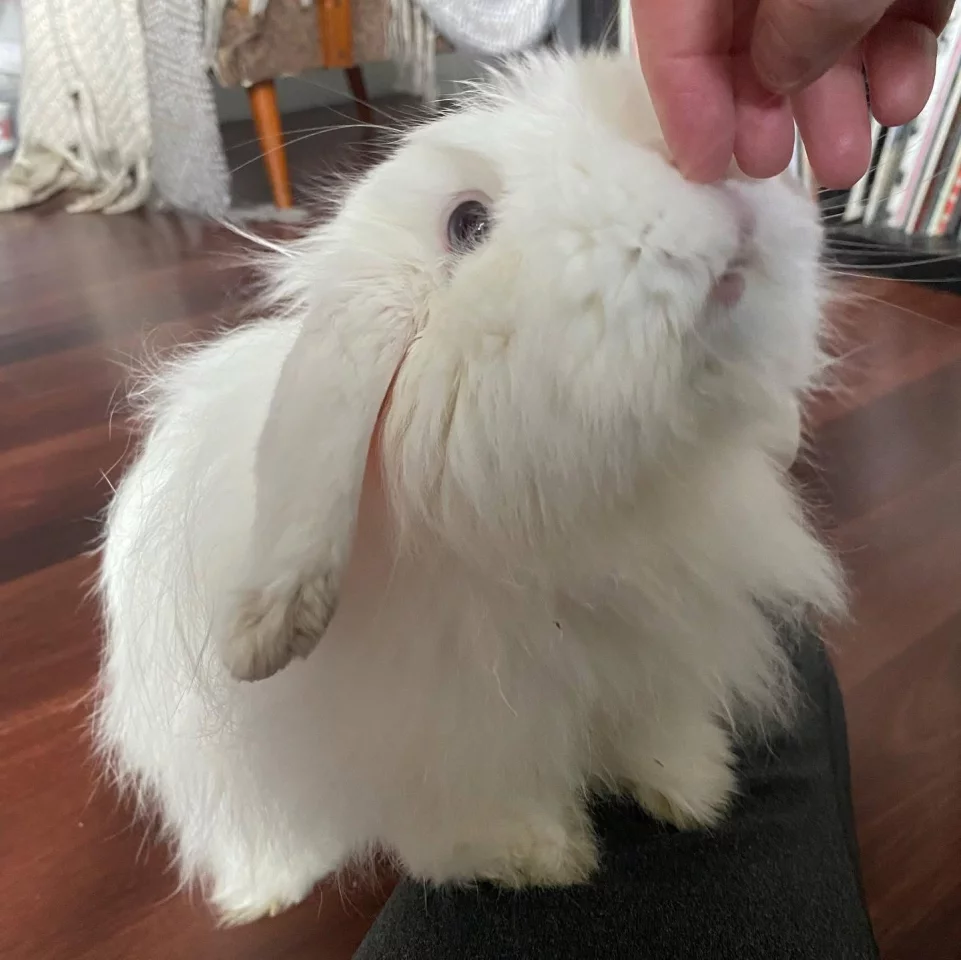
While I have never owned a flat-faced pup, I know the anguish and guilt of seeing your four-legged family member suffering every day because of their “design.” I lost my flat-faced best friend bunny 18 months ago when, after more than five surgeries over as many years, he succumbed to dental disease – a direct result of selective breeding for similar aesthetics.
New Atlas
And given the mortality rate of surgery on flat-faced dogs to alleviate their BOAS symptoms, Snoretox-1 has the potential to change the lives of not just the recipient but their humans, too. We’ll certainly be keeping an eye on this novel treatment’s development.
The research was published in The Veterinary Journal.

