



At the United Nations Headquarters in New York, experts, students, and technologists gathered for a fast-paced innovation sprint to tackle a complex problem: Managing Mine Action donor funding across fragmented systems, manual processes, and reporting cycles that could not keep up with operational needs.
The goal of the sprint was straightforward: build a working solution within five days. Participants set out to create a digital system that could centralize donor funding data, automate extraction from agreements, and support real-time reporting—using AI and Microsoft Power Platform—so information could be accessed and updated without relying on spreadsheets or disconnected tools.
From Spreadsheets To a Single System
Before the sprint, Mine Action donor funding was managed through a patchwork of spreadsheets, disconnected documents, and manual updates. Key information lived in multiple files, often maintained by different teams, making it difficult to track funding consistently across missions and partners.
Donor agreements were stored separately from reporting data. Updates required manual entry. Reporting cycles lagged behind operational needs, meaning teams often worked with outdated information while decisions still had to be made. As a result, teams lacked real-time visibility into funding flows, grant status, and reporting obligations. Getting a current overview often meant reconciling information across sources rather than accessing it in one place.
At the same time, expectations around transparency, accountability, and timely reporting continued to increase. With funding tied to multiple donors and missions, existing processes struggled to keep pace. The gap between how information was managed and how it was needed became increasingly clear.
Sprint participants inside the UN General Assembly Hall during the five-day innovation sprint in New York.
Five Days of Building, Testing, and Teamwork
From 1–5 December 2025, participants gathered at the UN headquarters for an intensive, time-boxed innovation sprint. The group included graduate students, UN practitioners, and private-sector contributors working together in the same location under a fixed schedule.
The constraints were explicit from the start. The sprint lasted five days; the scope was defined in advance, and a working deliverable was required by the end of the week. Teams were expected to move from problem definition to implementation without extending timelines or expanding requirements.
Work was organized around short, focused cycles. Participants collaborated in small, cross-functional groups, reviewed progress daily, and adjusted priorities as needed to stay within scope. Decisions were made quickly. Teams prioritized what needed to work by the end of the week, knowing not everything could be included. Some features were deliberately left out to keep the system usable within the time available.
Microsoft Power Platform and AI tools were used as enablers to build and test components during the sprint. The tooling supported rapid iteration but did not drive the work. Coordination across teams was facilitated by HYPE IdeaConnection Network, which helped align skills, workflows, and handoffs as the deadline approached.
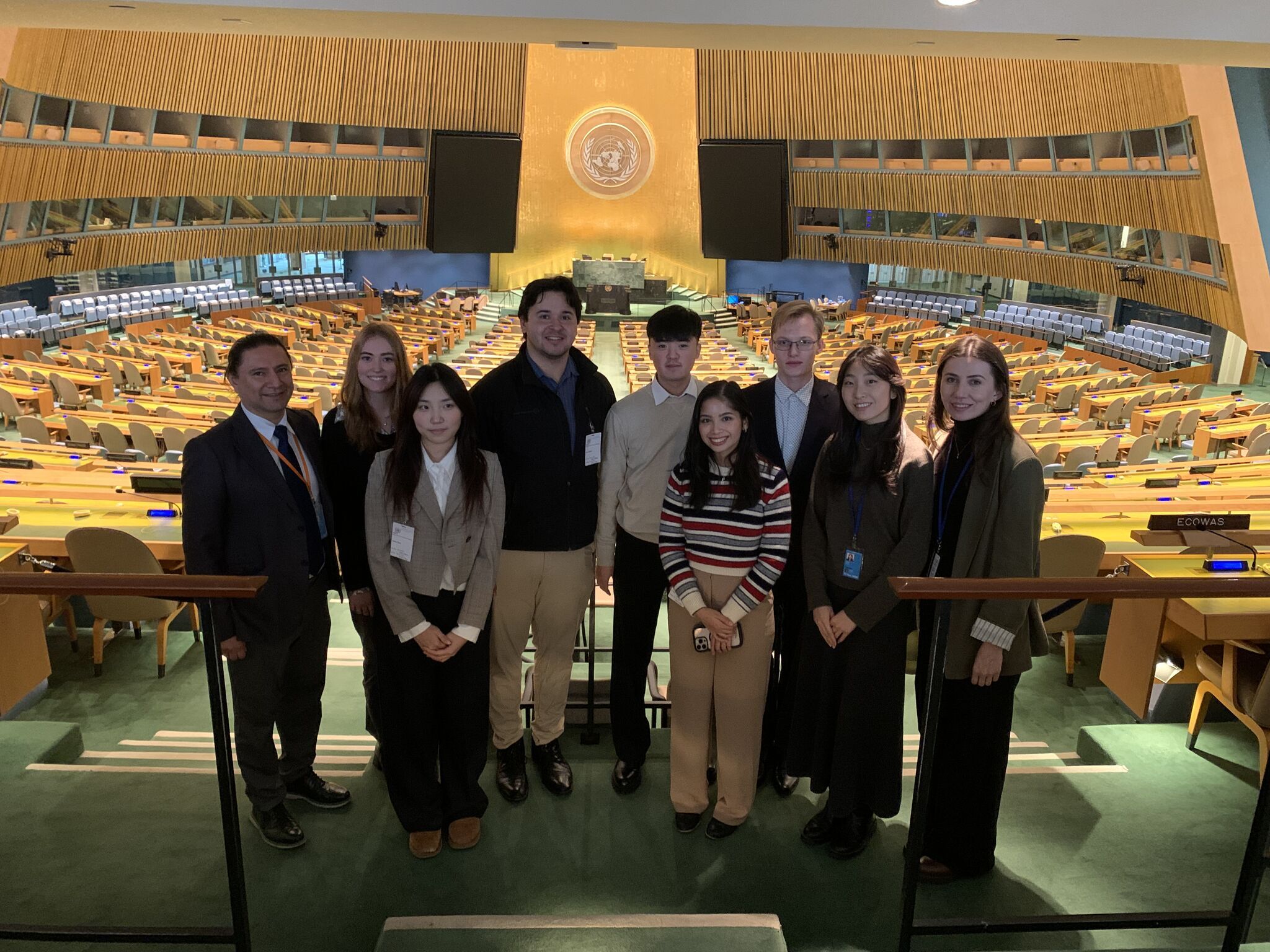 Participants of the UN Peacekeeping Innovation Sprint at United Nations Headquarters, December 2025.
Ready for Immediate Use
By the end of the sprint, teams had a working prototype in place. Manual workflows that once spanned spreadsheets and documents were handled in a single setup. Tasks that had previously required navigating spreadsheets and separate documents could now be handled in one place.
The prototype consisted of four main components:
- An AI-based document ingestor to extract key information from donor agreements
- A centralized database replacing spreadsheet-based tracking
- A web application to manage grants and payments
- An interactive dashboard showing funding data in real time
Before the sprint, information was scattered across files and updated manually. Afterward, data could be entered once, reviewed in context, and viewed across missions without reconciliation work. Reporting no longer depended on assembling inputs from multiple sources.
The system was built for immediate use. It allowed teams to check funding status, reporting requirements, and payment information as work progressed, rather than after reporting cycles closed. For United Nations Mine Action Service and its partners, the change was practical: faster access to current information and fewer steps between data entry and decision-making.
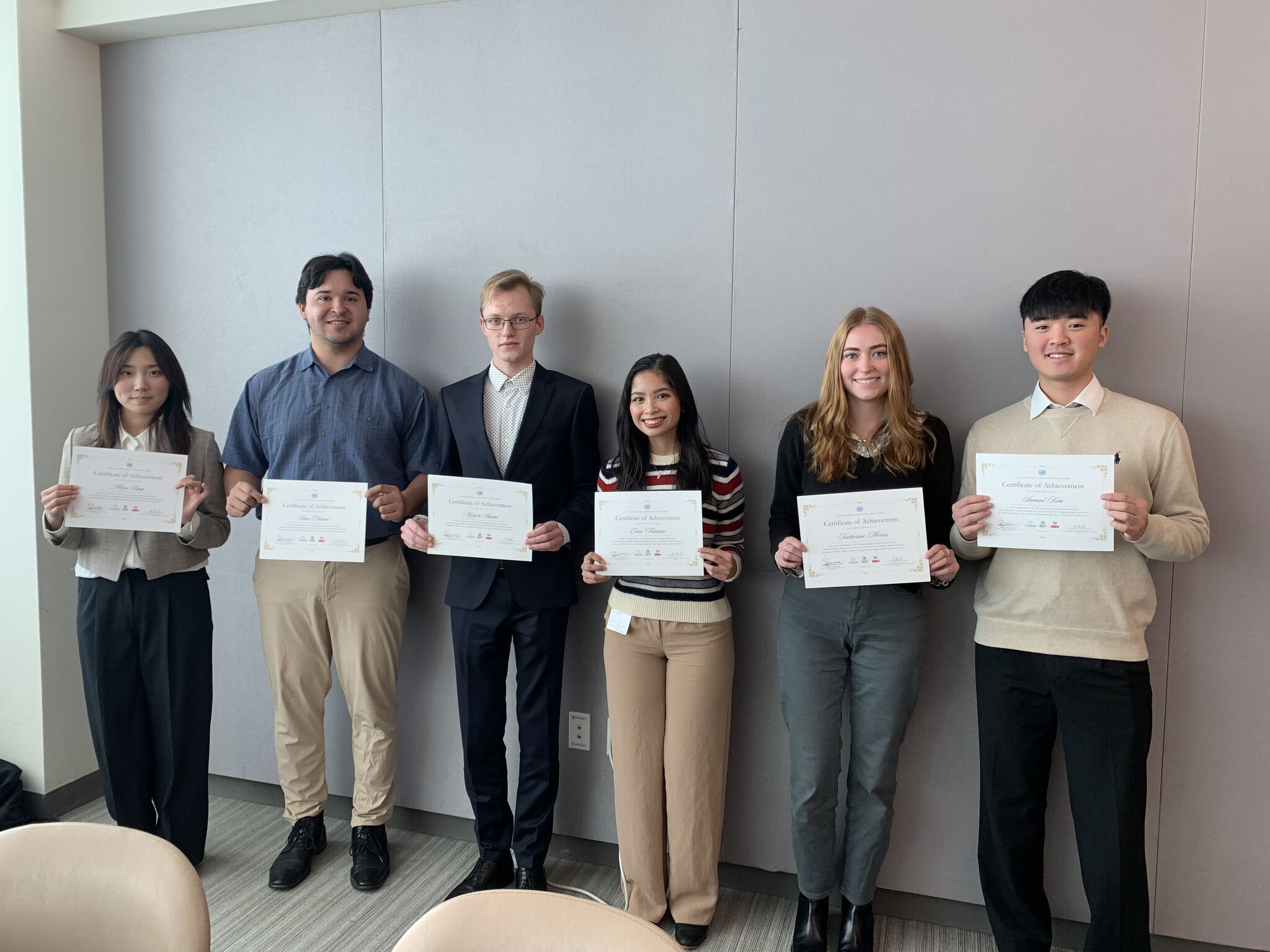 The sprint concluded with certificates awarded to participating students and experts.
Innovation Happens When People Come Together
Over five days, a defined group worked within a fixed scope and a hard deadline. Decisions were made quickly, trade-offs were visible, and progress was measured by what was usable at the end of the week—not by plans or proposals.
The result was a working system delivered on time. With limited time and clear constraints, progress was measured by what could be reviewed, tested, and used immediately.

